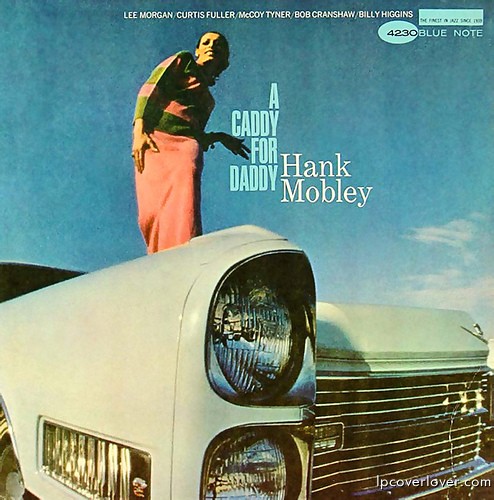
“A Caddy for Daddy” Hank Mobley A classic, timeless, quintessential mid-sixties cover from the oft-quoted Blue Note graphic designer Reid Miles. Here’s something as beautiful on the inside as on the outside. Hank Mobley, Lee Morgan, Curtis Fuller, Bob Crenshaw and Billy Higgins at the top of their form. Artists of the highest order creating in a world of their own. Turn someone on today. Here’s the swinging, rumprolling title cut: A Caddy For Daddy
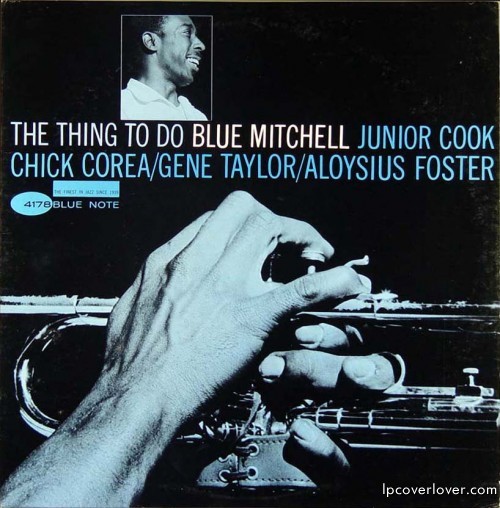
“The Thing To Do” Blue Mitchell with Junior Cook, Chick Corea, Gene Taylor and Al Foster Blue Note Records 4178 (1964) What a beautiful cover! Classic Blue Note aesthetic. The running type. The cropping, the elegant light and a monochromatic blue help capture the expression of the music in Mitchell’s taut hands. When Horace Silver disbanded his quintet of six years in 1964, Blue Mitchell, Junior Cook and Gene Taylor decided to stay together and form the nucleus of the Blue Mitchell Quintet. The band took shape that summer with newcomers Chick Corea (only his second recording and first Blue Note session) and Al Foster. Mitchell learned well from his former employer – check the groove on the title track!
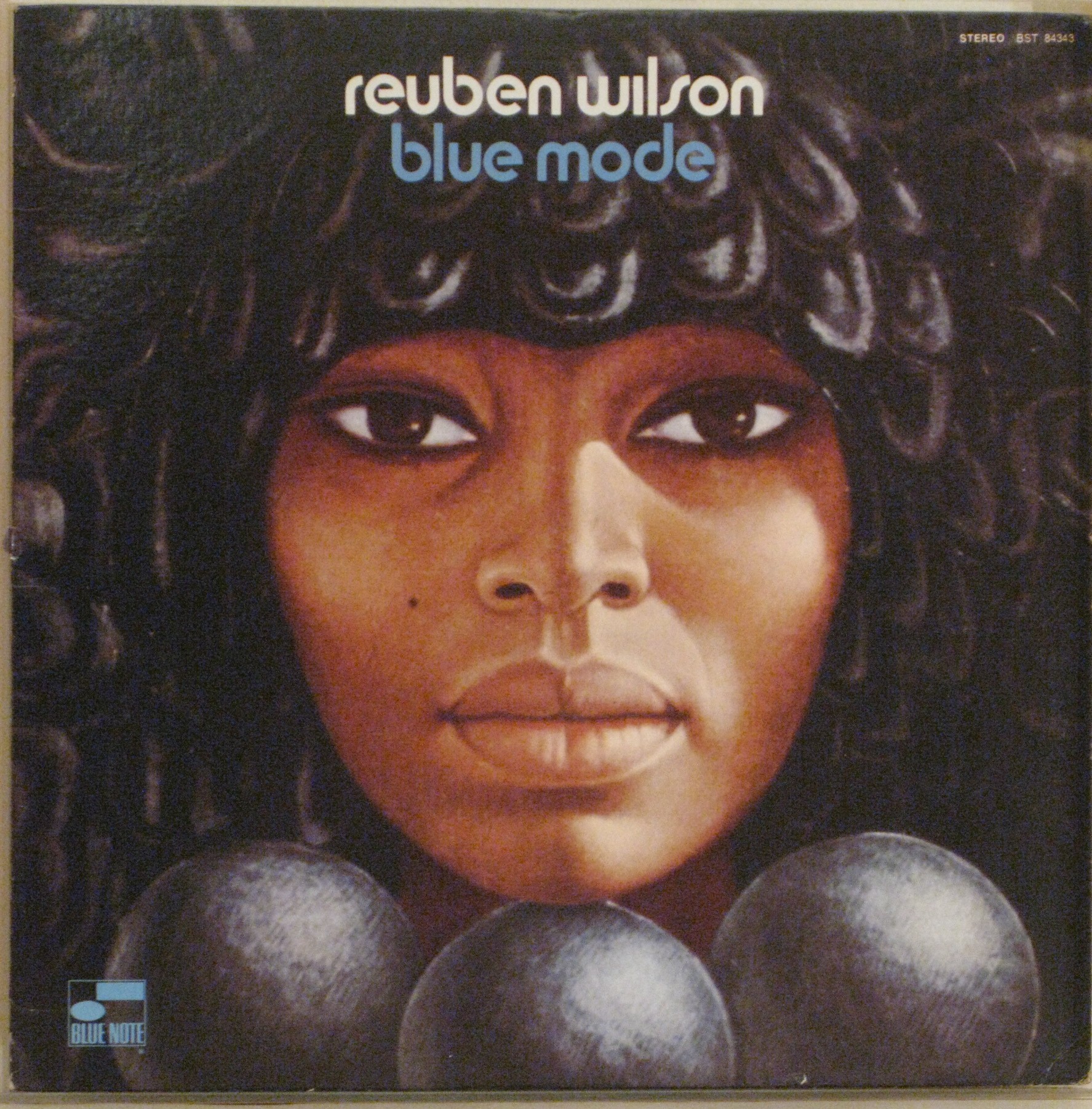
Reuben Wilson “Blue Mode” Blue Note Records (1969) Bambu; Knock on Wood; Bus Ride; Orange Peel; Twenty-Five Miles; Blue Mode. John Manning – Tenor saxophone; Melvin Sparks – Guitar; Reuben Wilson – Organ; Tommy Derrick – Drums
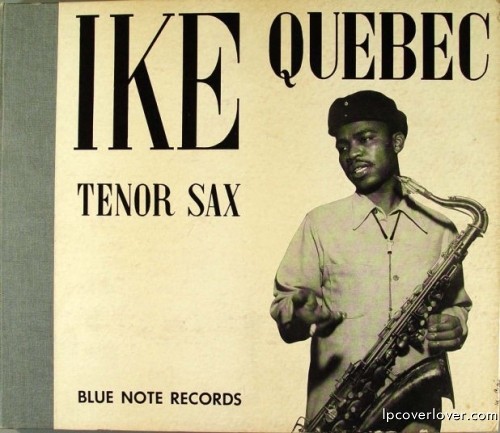
IKE QUEBEC “TENOR SAX” BLUE NOTE Set 102. Ike Quebec (ts) Roger Ram Ramirez (p) Tiny Grimes (g) Milt Hinton (b) J.C. Heard (d) WOR Studios, NYC, July 18, 1944 Songs include: Topsy/Cup-Mute Clayton/If I Had You/Hard Tack/Sweethearts on Parade/Dolores Three 78 RPM Recordings – Record #’s 510, 515, 516.
These sides were released “for the jukebox market” in the late fifties as 45’s by Blue Note records and lead to new session work and some brilliant albums as a leader in 1961 -62. His comeback was cut short by lung cancer in 1963.
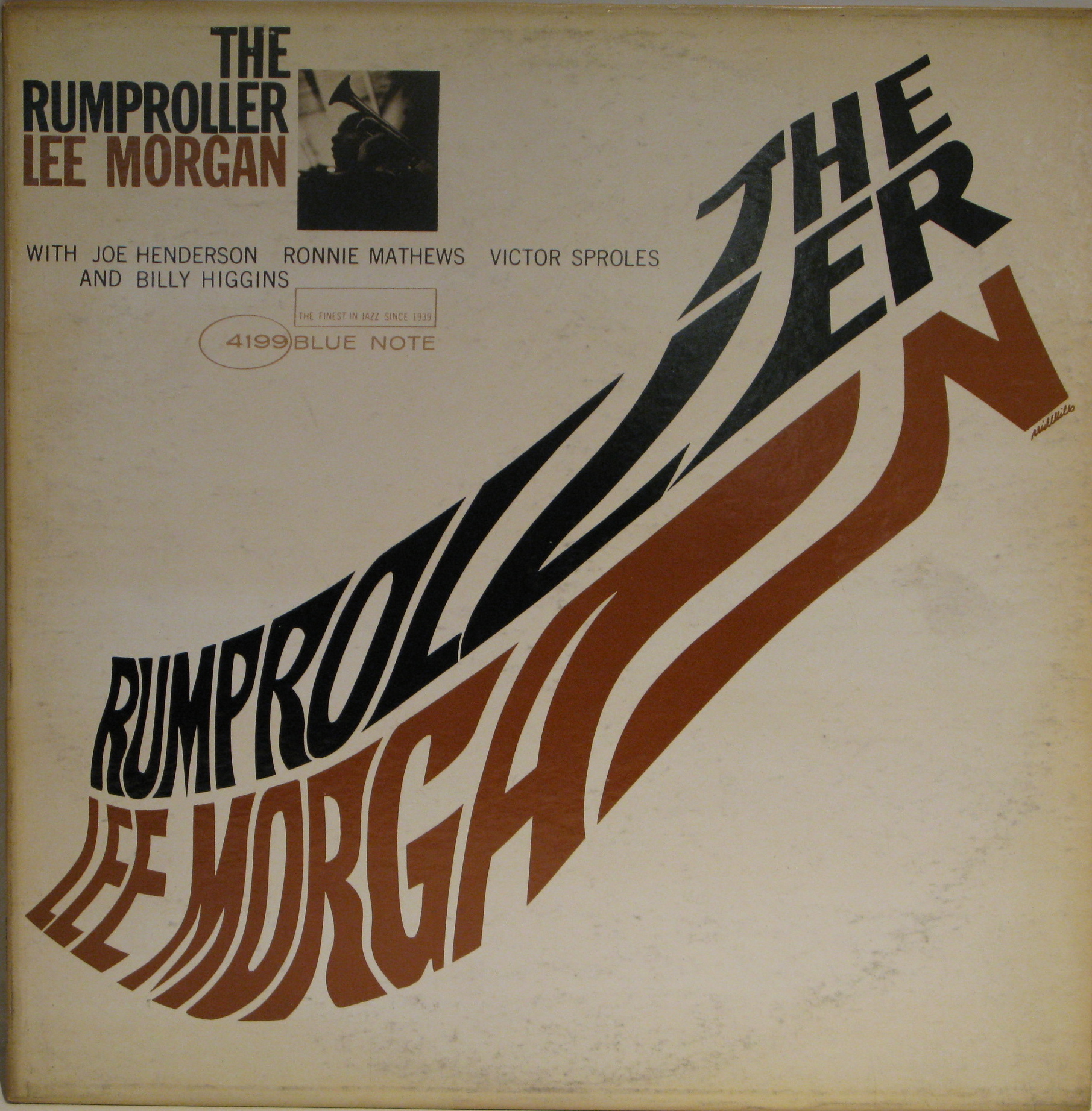
“The Rumproller” Lee Morgan Joe Henderson Ronnie Matthews Victor Sproles and Billy Higgins Blue Note 4199 (1965) Reid Miles cover design. Rudy Van Gelder produced. Photo by Blue Note founder Francis Wolff. Liner Notes by Leonard Feather.Listen up: “The Rumproller” “Desert Moonlight”
Lee Morgan had two albums in the can when “The Sidewinder” became the surprise hit of 1964, making the Top 100 pop album charts. Blue Note brought Lee back into the studio for a follow-up album with Joe Henderson and Billy Higgins reprising their roles. The kick-off funk tune “The Rumproller” was written by Andrew Hill and proved a worthy successor to “The Sidewinder”. But Lee’s beautiful “Desert Moonlight”, in time, became regarded as this album’s classic performance. The ballad “The Lady” offers a rare appearance by Lee with muted trumpet. (True Blue)
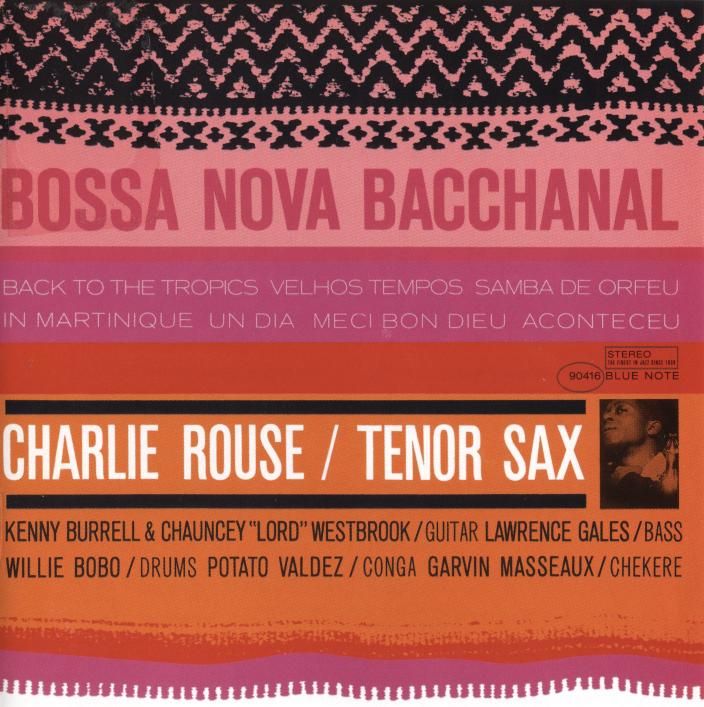
“Bossa Nova Bacchanal” Blue Note (1962) With Charlie Rouse (Tenor Sax); Kenny Burrell & Chauncey “Lord” Westbrook (Guitar); Lawrence Gales (Bass); Willie Bobo (Drums); Potato Valdez (Conga); Garvin Masseaux (Chekere).
Side 1: Back To The Tropics; Aconteceu; Velhos Tempos; Samba De Orfeu.
Side 2: Un Dia; Meci Bon Dieu; In Martinique.
I like Charlie Rouse from his playing with Monk to his record with Paul Quinichette “The Chase is On” to this one (especially the haitian number merci-bon-dieu). Leonard Feather says in the liner notes,”As befits the overall concept of bossa nova, Charlie plays with a remarkable blend of smoothness and assertion…and his sense of time is always acute and appropriate”.
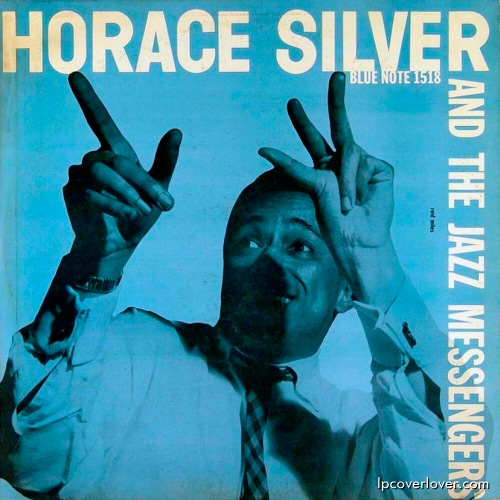
Horace Silver with the Jazz Messengers Blue Note 1518. Hard bop prophets at the birth of the movement. This is Silver’s first session as a leader. The year is 1955 and it’s the start of an incredible 15-year run of stunning musical achievement from Blue Note Records. KENNY DORHAM, trumpet; HANK MOBLEY, tenor sax; HORACE SILVER, piano; DOUG WATKINS, bass; ART BLAKEY, drums. The eight original Silver compositions, including “The Preacher”, “Creepin’ In” and “Doodlin'”, are jazz standards today. Reid Miles designed the cool cover. Blue Note founder Alfred Lion took the photo. Ira Gitler wrote the liner notes. Rudy Van Gelder mastered.
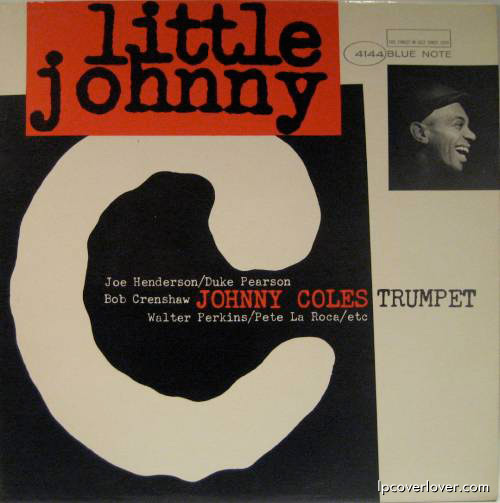
Personnel: Johnny Coles (trumpet); Leo Wright (flute, alto saxophone); Joe Henderson (tenor saxophone); Duke Pearson (piano); Bob Cranshaw (double bass); Pete La Roca, Walter Perkins (drums).
Song listing: Little Johnny C; Hobo Joe; Jano; My Secret Passion; Heavy Legs; So Sweet My Little Girl
Recording information: Van Gelder Studios, Englewood Cliffs, New Jersey (7/18/1963); Van Gelder Studios, Englewood Cliffs, New Jersey (8/9/1963).
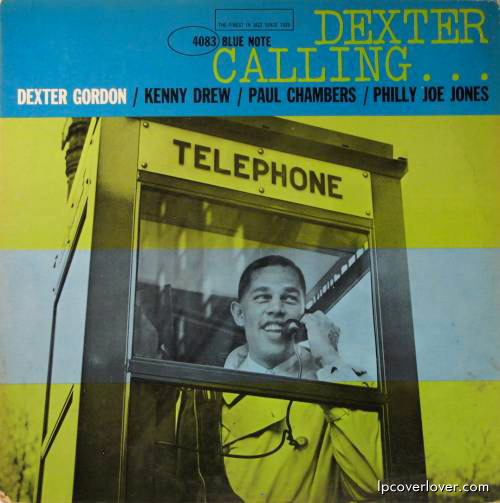
The album’s a real classic from Dexter’s first big “comeback” period (1961)– and represents the strength of his Blue Note years at their best! (This is his second on the label.) Gordon’s rich, full tone isn’t diminished a bit here — and his inventive blowing is given free reign on a set of quartet numbers recorded with Kenny Drew, Paul Chambers, and Philly Joe Jones. The album’s got a few strong originals from Gordon including pieces from Gordon’s score for the Los Angeles production of “The Connection,” “Soul Sister”, “Ernie’s Tune”, and “I Want More — plus the very sweet Kenny Drew tracks “Modal Mood” and “Clear The Dex” and the standards “The End Of A Love Affair” and “Smile” (written by Charlie Chaplin!). This album and the session that produced “Doin’ Alright” were held just days apart while Gordon was visiting stateside after becoming an expatriate in Europe.
This has all the pedigree and credentials of the landmark hard bop recording it is, including Blue Note owner Alfred Lion producing; partner Francis Wolf‘s cover photo; Rudy Van Gelder engineering; and Leonard Feather liner notes.


 (52 votes, average: 4.21 out of 5)
 Loading ...