Brazilian
You are currently browsing the archive for the Brazilian category.
March 10th, 2021 in
Brazilian, Strange Instruments by
lpcoverlover |
No Comments
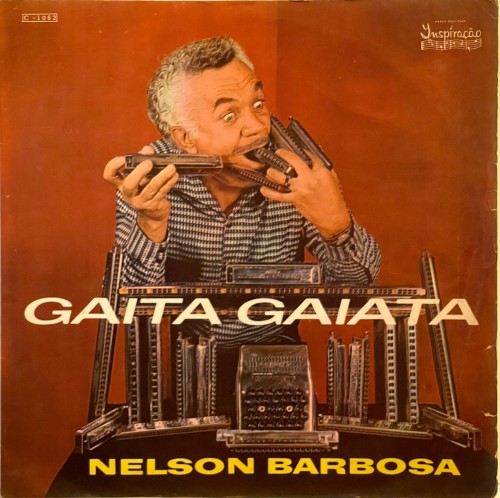
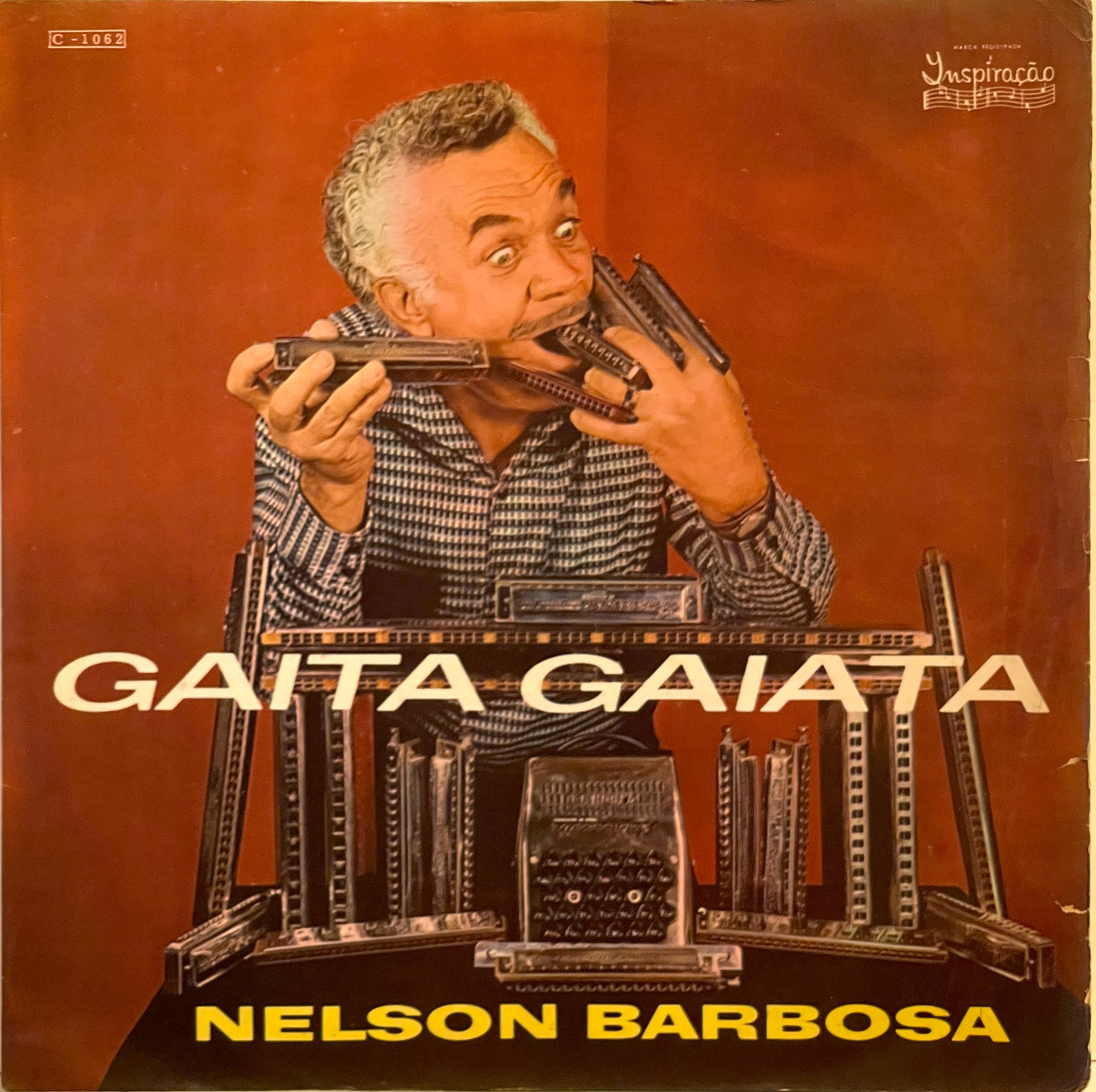
Nelson Barbosa “Gaita Gaita” Inspiracao Records (Brazil) Slang for Harmonica: Mississippi Sax Ol’ Lickin’ Stick Misery Whistle Tin Sandwich French Harp Moustache Trimmer/Trap Pocket Piano Gob Iron
Harp Poor Man’s Saxophone Fist Whistle Soul Biscuit Pocket Orchestra Little Brass Band Poor Man’s Fiddle Blues Burger Cookie Cutter Lady Shaver Starvation Stick Ol’ in and out Box Blues Buzzer
Ten Holer Mississippi Spit Wagon Band in the Hand Moothie (Scottish) Mouth Organ Tone Bone Spit Fiddle Pocket Whistle Bitch Whistle Maniacs Dummy Spit Box Harpoon Snort Organ Toot Sweet

Loading ...
September 24th, 2017 in
Brazilian, Cheesecake by
lpcoverlover |
No Comments
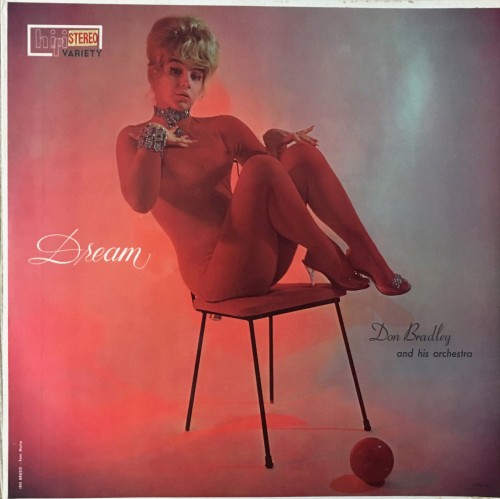
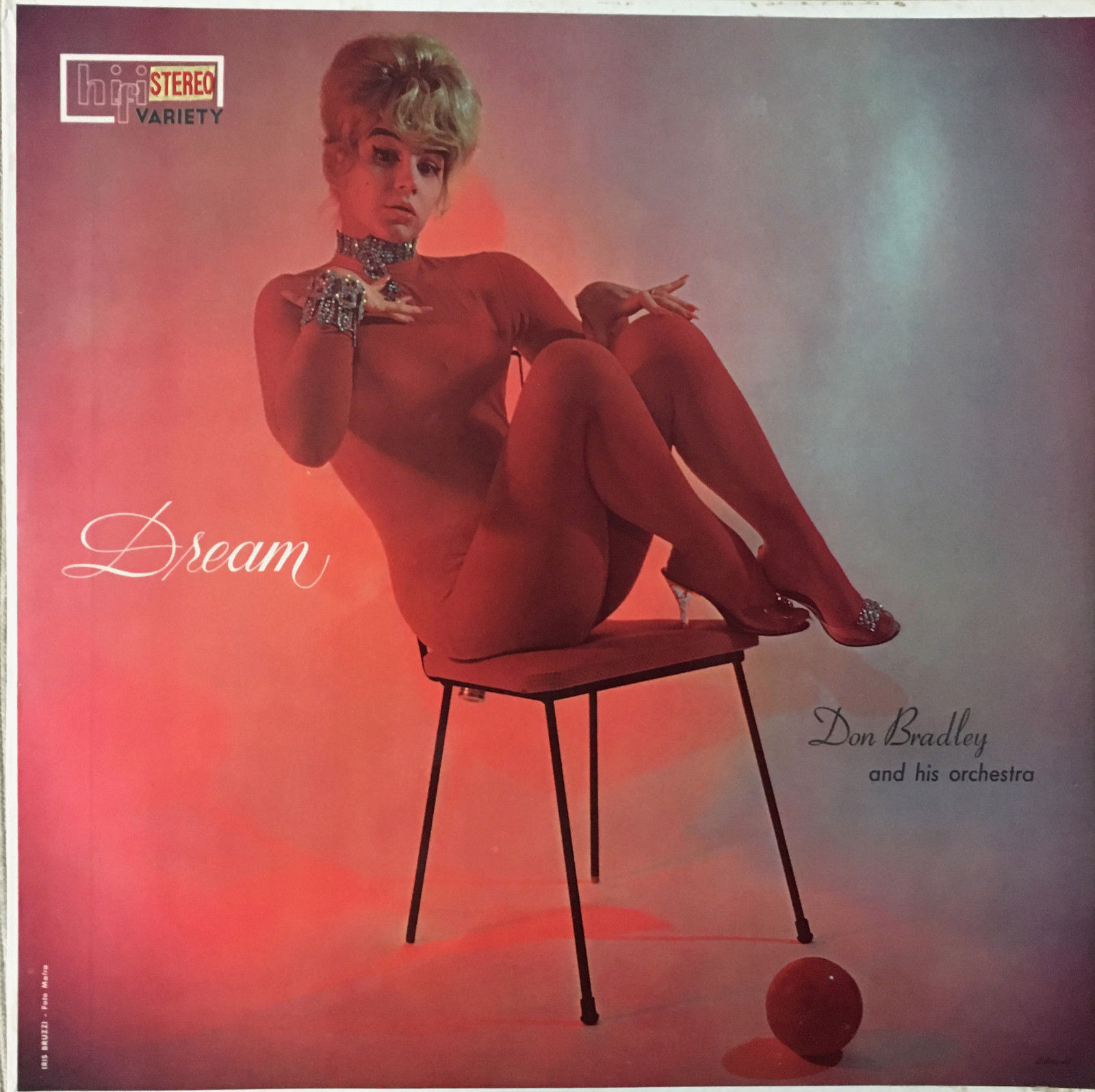
This just in! “Dream” Don Bradley and his Orchestra Variety Records (Brazil)
Loading ...
March 30th, 2017 in
Brazilian, Jazz by
lpcoverlover |
No Comments
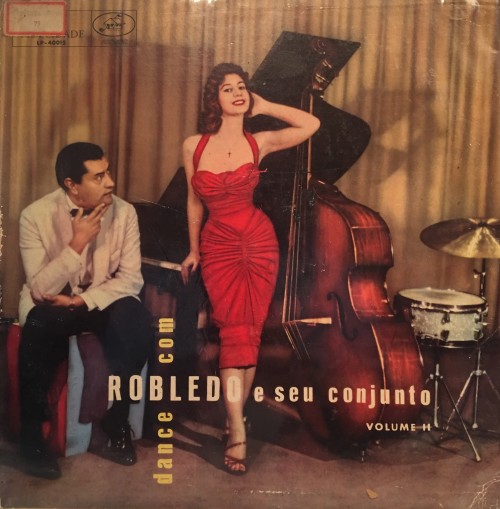
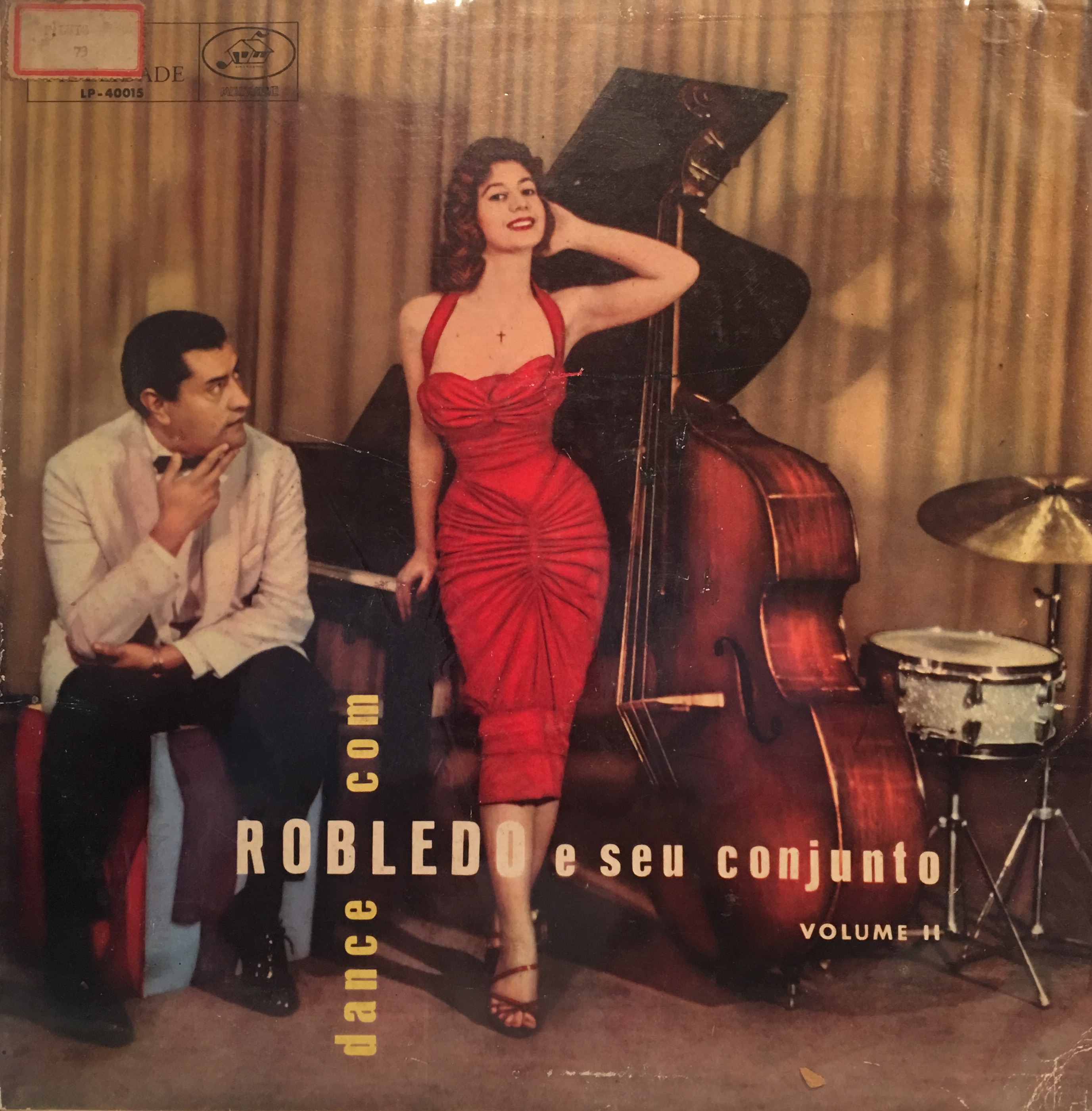
Dance with Robledo and His Group Volume II Alta Fidelidade Records (Brazil) Look at the sheen on the dress and on that bass with it’s mirroring curves. Luscious!
Loading ...
May 19th, 2016 in
10", Bachelor Pad and Lounge, Brazilian, Guitars by
lpcoverlover |
No Comments
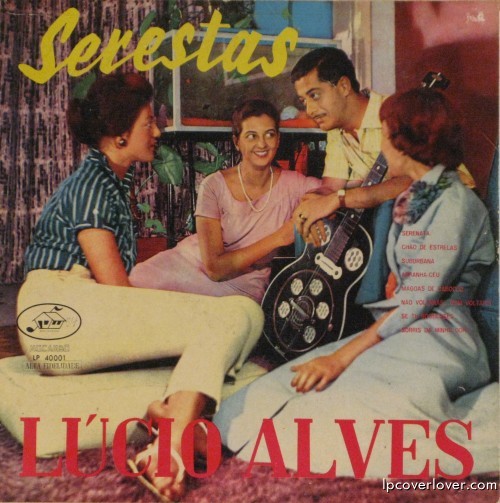
Lucio Alves “Serestas” Brazil (1957) Here’s a link to additional notes and to download the music.

39
Loading ...
March 16th, 2016 in
10", Blaxploitation, Brazilian, Singers by
lpcoverlover |
1 Comment
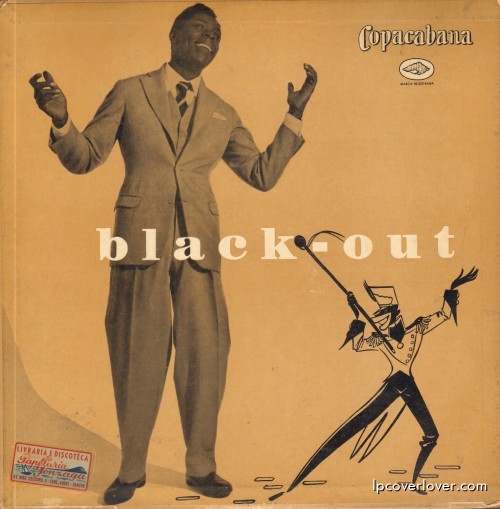
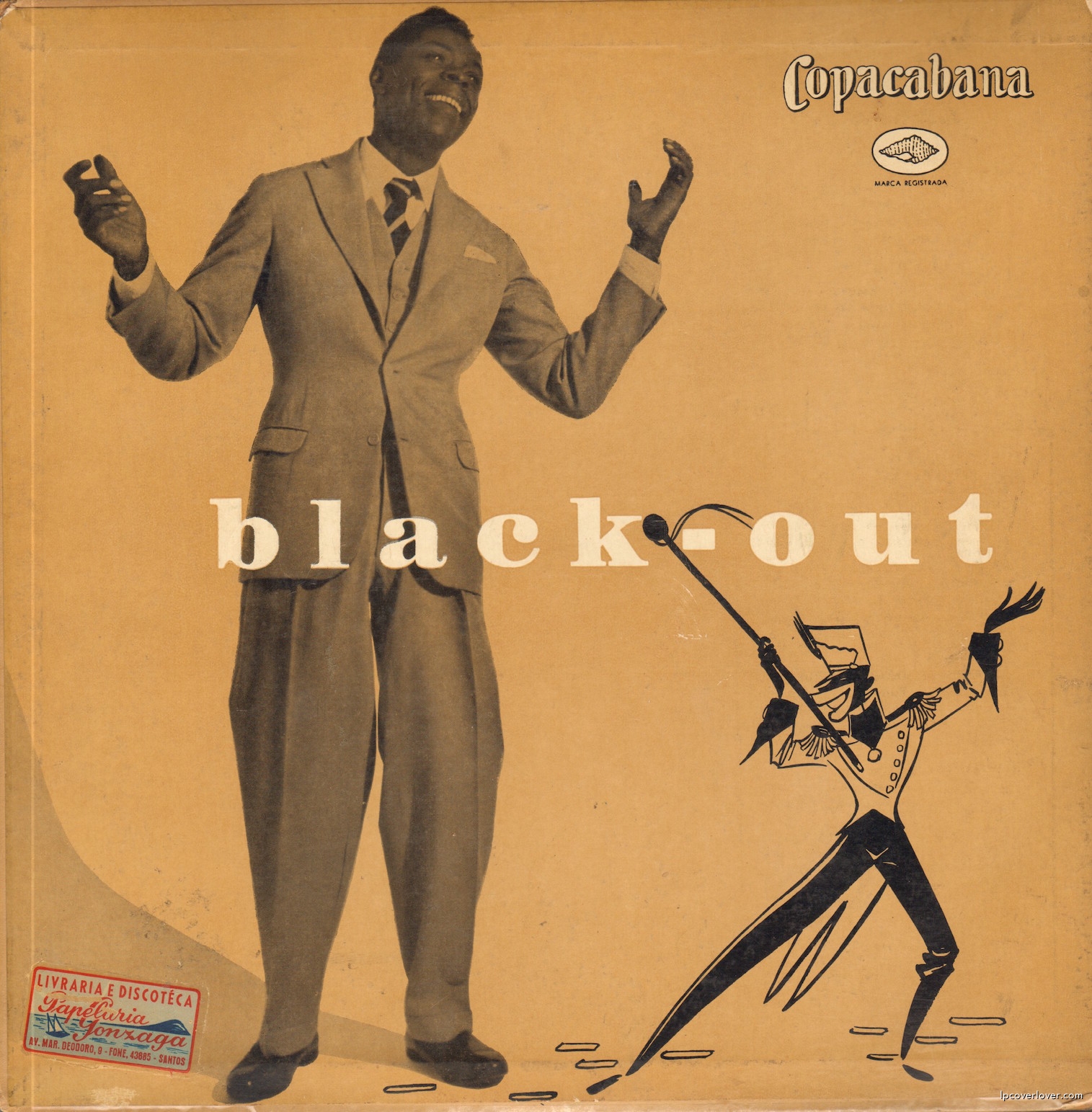
Black-out Copacabana Records (Brazil) 1950’s Sambas, Mambos and Boleros with voices
80
Loading ...
March 8th, 2016 in
10", Brazilian, Dance, Illustration by
lpcoverlover |
No Comments
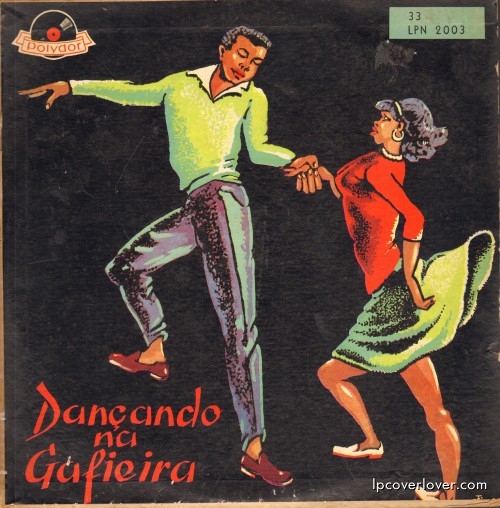
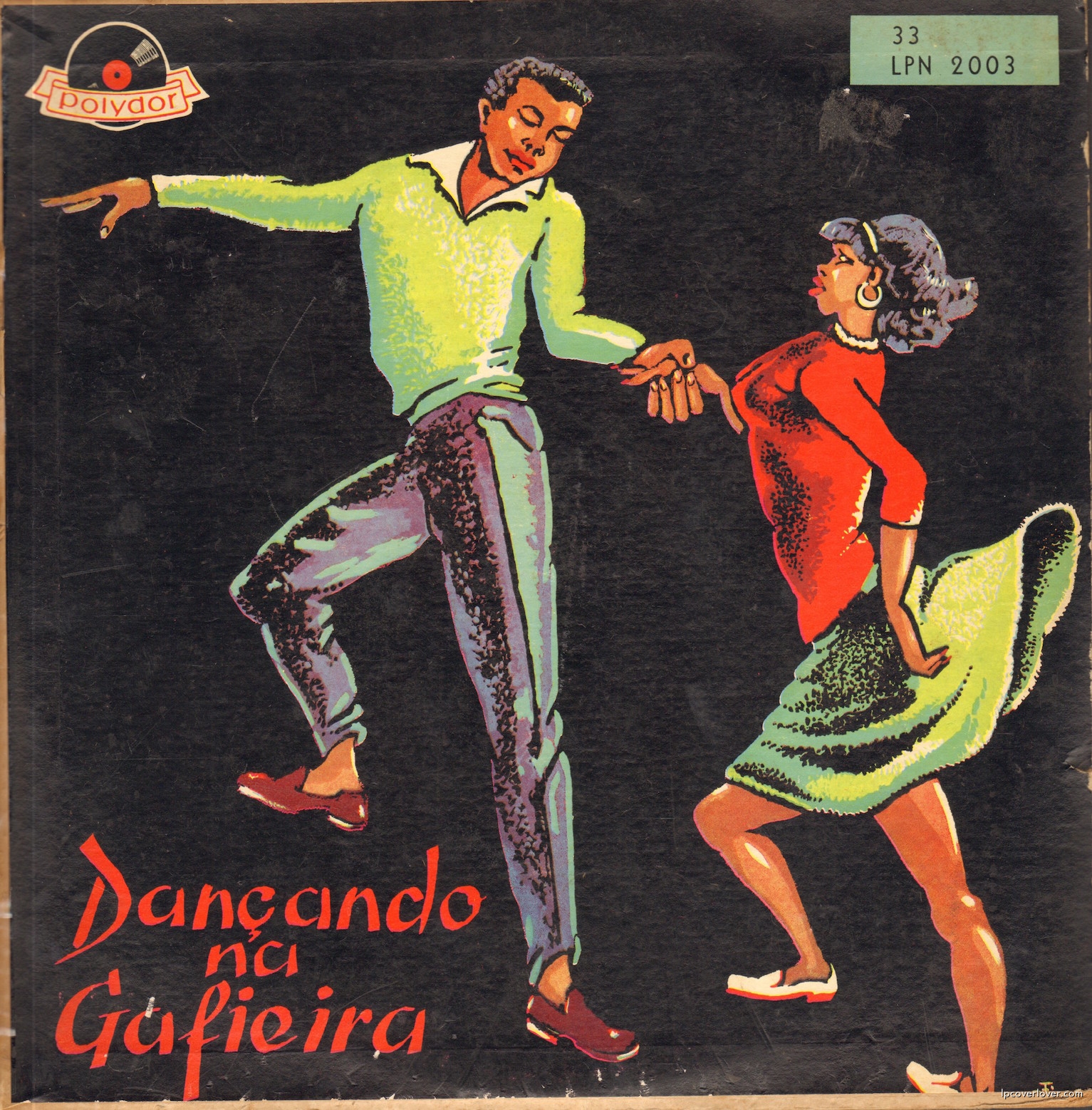
A beautiful cover from Brazil on Polydor Records. Captures a fifties jitterbug thing but with a raw Latin American vibe. “Dancando na Gafieira” By Santana & Seu Regional Moderno
1333
Loading ...
May 12th, 2015 in
Brazilian, Illustration, Nudes, Strange Instruments by
lpcoverlover |
2 Comments
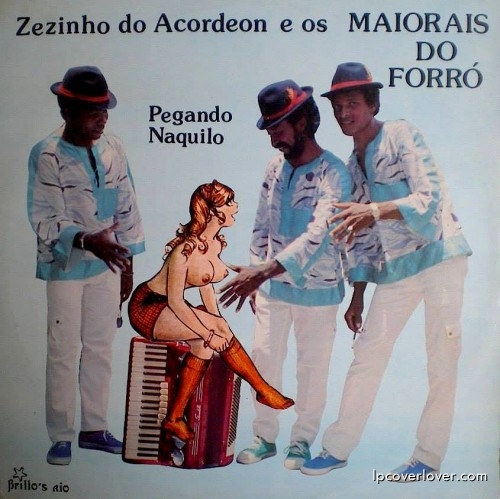
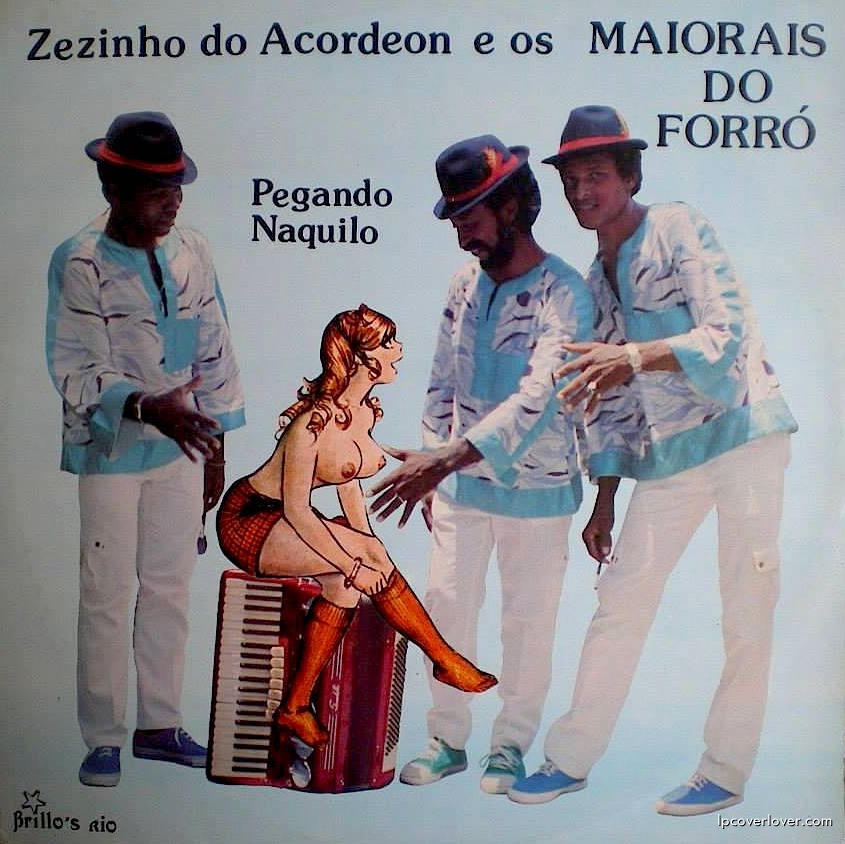
Thanks to LP cover lover, Rob Keith, who we met at the WFMU Record Fair. A collector of music from the North of Brazil, Rob sent us this nice one with this note: Zezinho is a forró accordion player from the northeast of Brazil. His group was called “The Rat Pack of Forró.” Song titles include “Sweaty Women” and “Beautiful Balloons.” Forró is well known for double entendre wordplay, so the songs are probably what you would assume they are about… or not, depending on which way you decide to interpret them. The album is surprisingly good and well produced, recorded on 16 tracks in Rio.
700
Loading ...
August 13th, 2013 in
Brazilian, Funny Faces by
lpcoverlover |
1 Comment
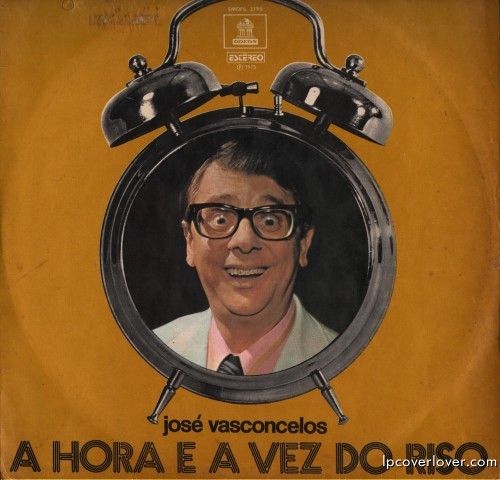
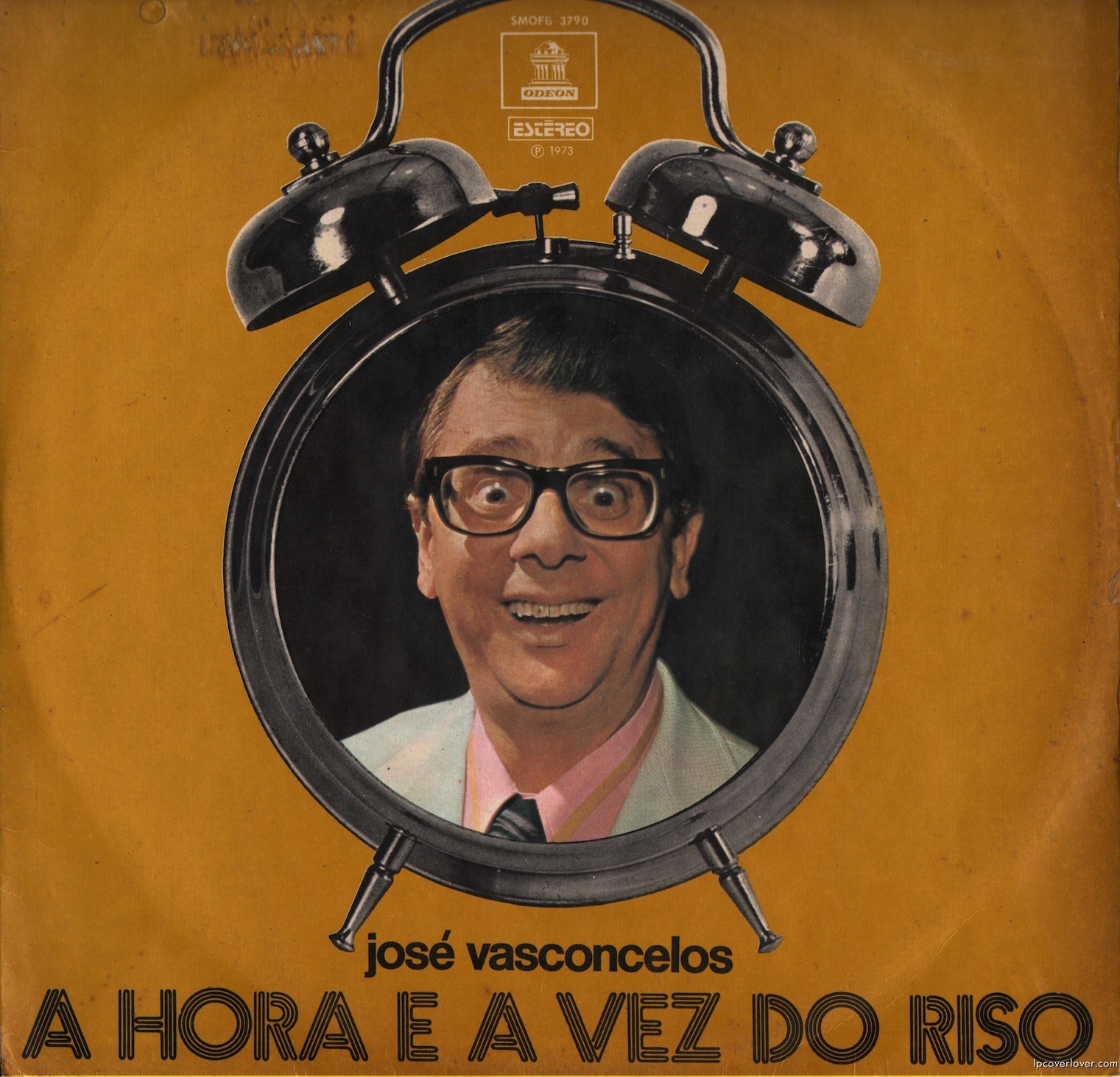
Jose Vasconcelos “A Hora e a Vez do Riso” Odeon Records (Brazil) (1973)
Loading ...
July 26th, 2013 in
Bachelor Pad and Lounge, Brazilian, Cheesecake, Legs, Records and Players by
lpcoverlover |
1 Comment
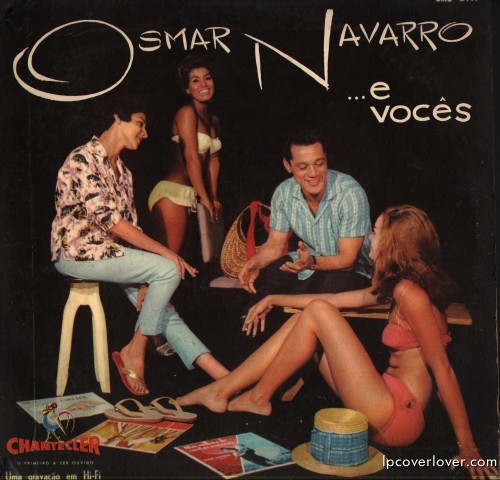
Osmar Navarro … e Voces Chantecler Records (Brazil)
Loading ...
July 3rd, 2013 in
Brazilian, Surf by
lpcoverlover |
2 Comments
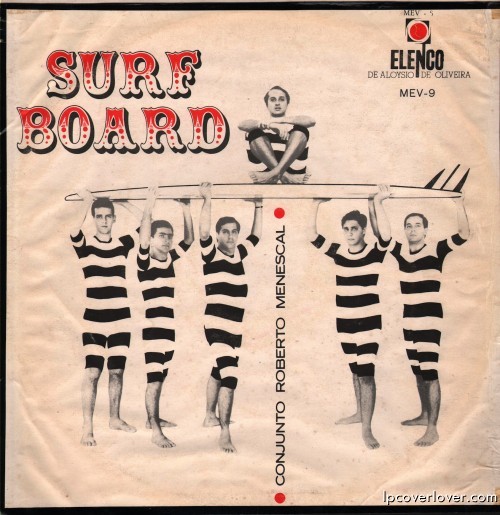
Surf Board Conjunto Roberto Menescal Elenco Records (Brazil)
Loading ...


 (22 votes, average: 4.14 out of 5)