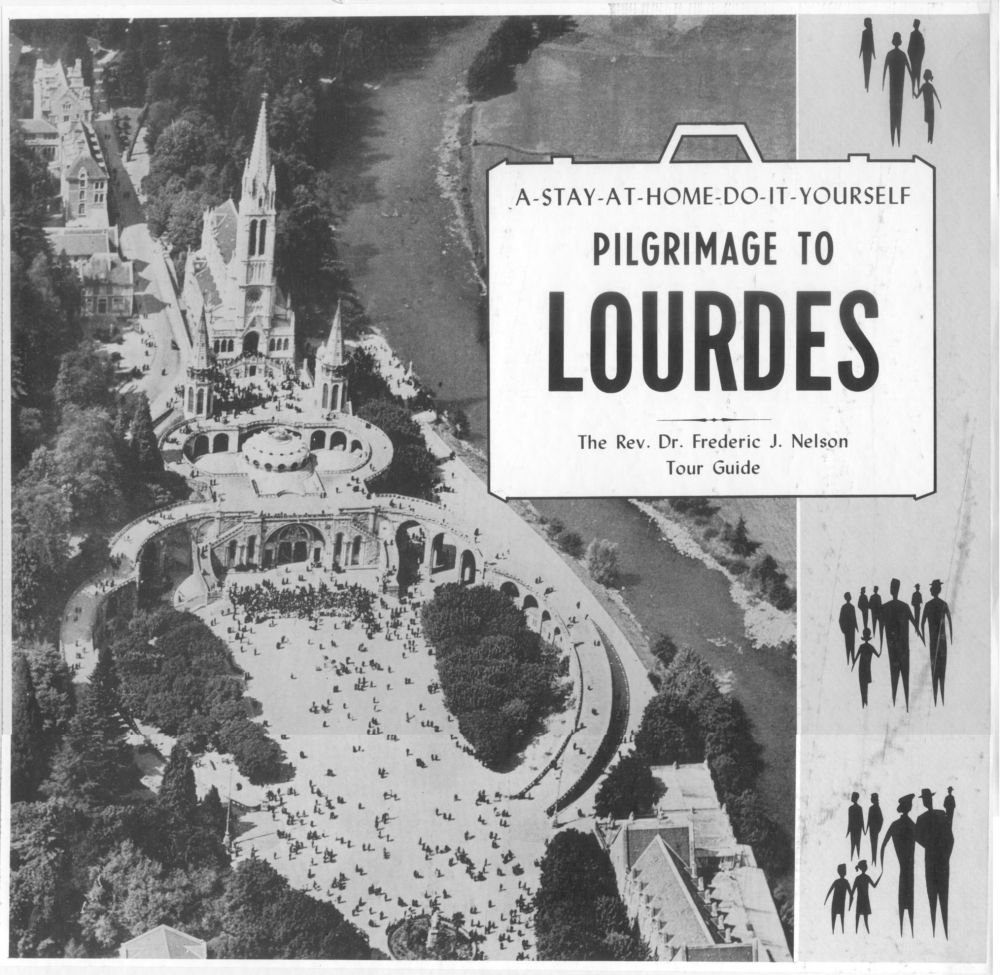
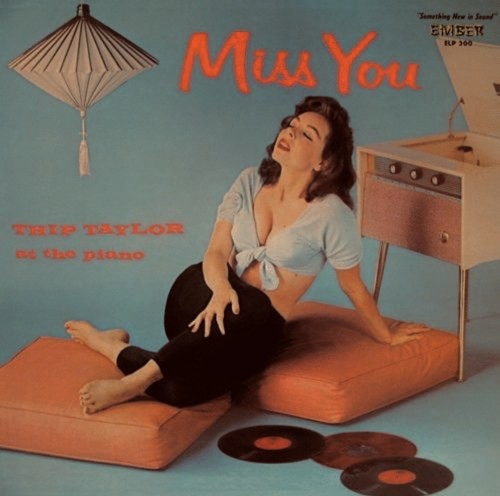
“Skid Row Sounds” Songs and Stories from the Salvation Army. 1968.
You are currently browsing the archive for the Documentary category.
Another outrageous release from those come freaks at Funky Finger Records. “Hollywood’s Come Freaks Copping Joints Galore!!” A triple-X, Audio Stag sex spoof.
Chef Hank Meadows Tells His Secrets…
“Jungle Nights and Man Eaters” With Dana Brown. (1967) It took big game hunter, Dana Brown two years to track down and kill the “Man-eating” tiger of Western Nepal. Along the way, Dana spent 26 nights alone in 14 different jungles to record the actual jungle sounds heard here for the first time. Sounds of a Royal Bengal Tiger fighting with a 1,000 pound buffalo; the sounds of tigers mating! and the weird music of Western Nepal during the 8-day holiday when all marriage ties are disolved! But back to the serial killer tiger, it claimed 50 victims before the King of Nepal called on Dana to fix the problem.
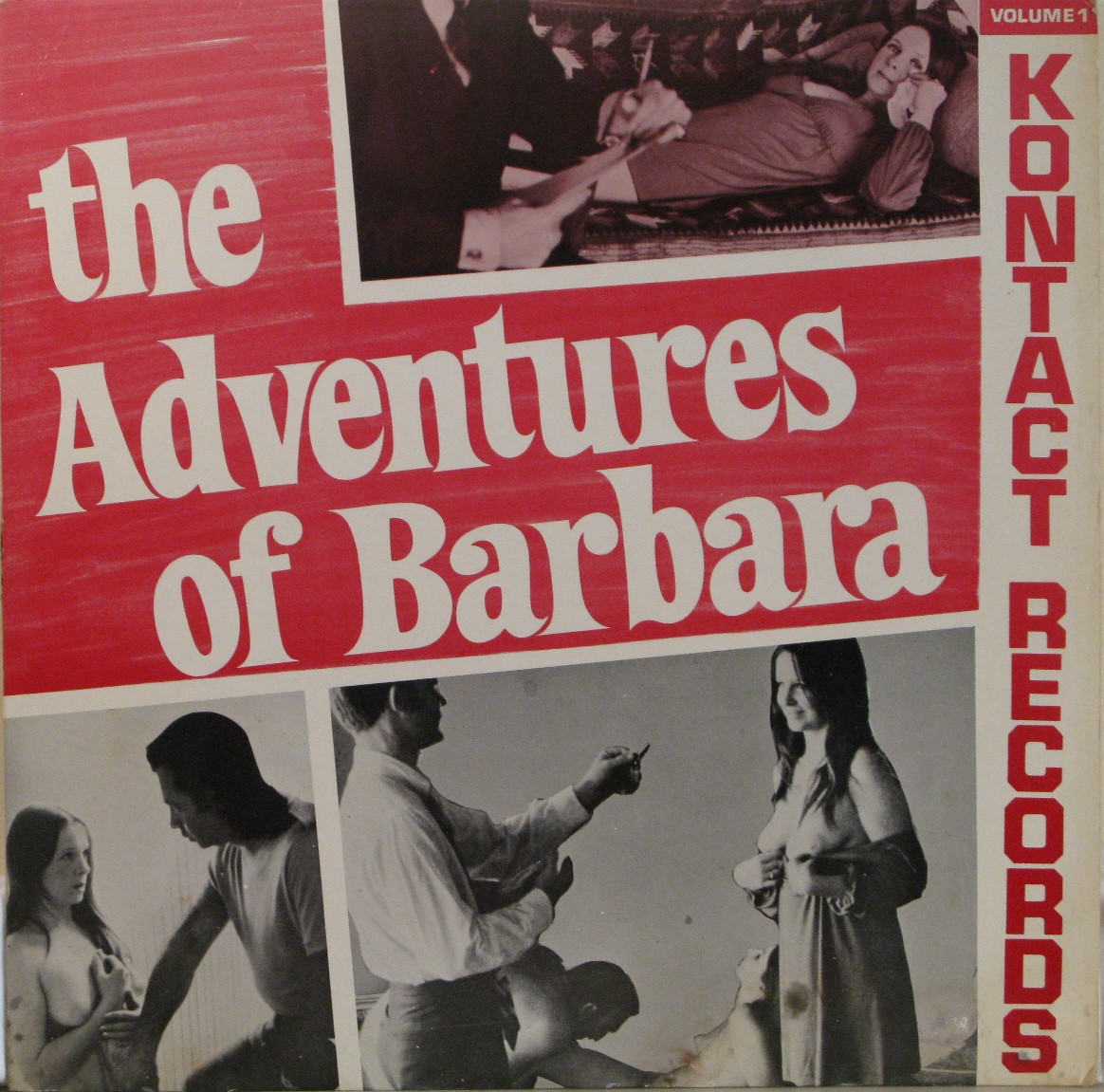
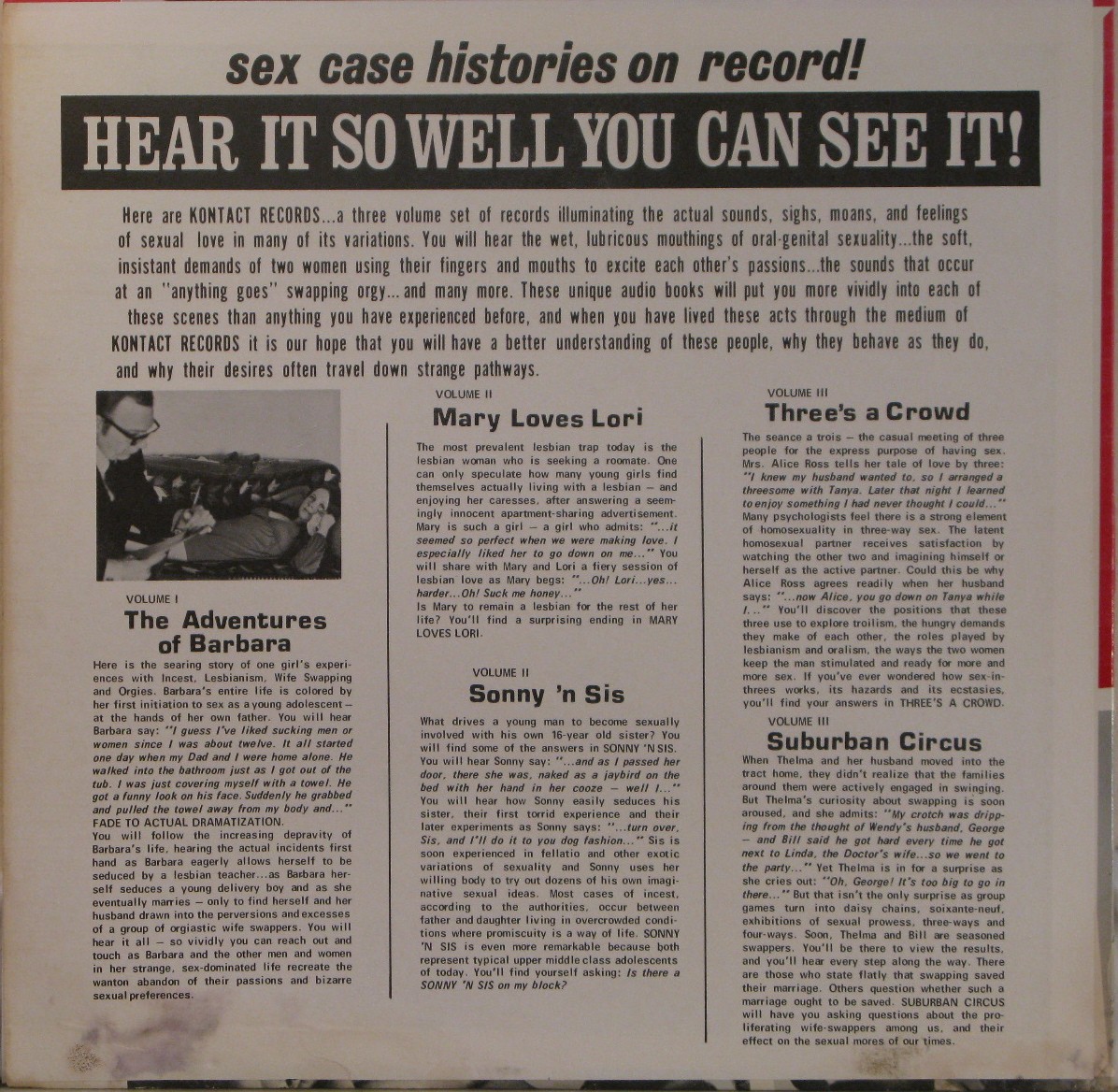
“Barbara…Many Nights of Pure Pleasure” “Never Before! Sexciting, Satirical, Erotic Drama and Dialogue…!” “Rated XXX” “Sex!! Language with Red Hot Action!” “Warning: Sexual Recording of an Adult Nature. This Album is not intended for minors and under no circumstances are they to hear it or possess it.”
“I don’t care if it’s a man or a woman I’m in bed with, so long as we have sex.” And so starts the bizarre story of Barbara, a prostitute, initiated into her licentious life by forced sex with her father at the age of 12. Listen to the detailed account of her life story, told in full dramatization by a highly experienced cast.”
“Cook’s Tour of High Fidelity” “Hunting thru Audioland with Gia and Chimera.” “PLUS! Handy do-it-yourself kit of horrendous soap opera sound effects.” On the Cook label. What is that hand puppet saying?!
*Sometimes the truth is stranger than fiction.
“Picking Up Girls Made Easy” (1975) Check out the liner notes!
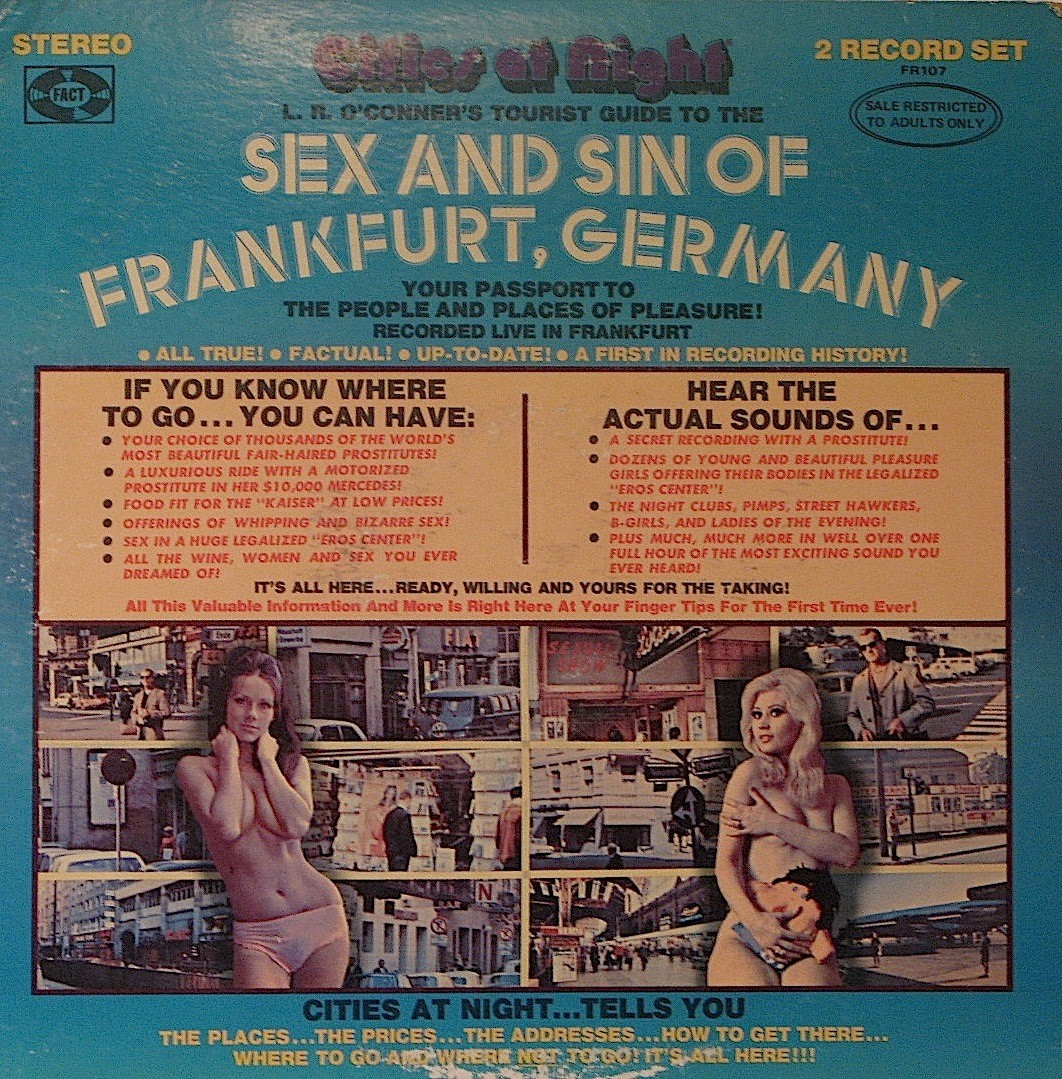
“Sex and Sin of Juarex, Mexico” One of the “Cities of Night” series that served as a recorded “trip tik” to sin and pleasure.
LSD on Pixie Records. (1966) Written and narrated by Dr. Timothy Leary, PhD., former Harvard psychologist and Messiah of the LSD cult…” “…in Mexico in 1960, I ate seven of the sacred mushrooms of Mexico and within a half hour was spun into a psychological laboratory two billion years old which laughed at my pretentions at predicted knowledge…”
“…Actual recordings of people under the influence of psychedelic drugs… Psychedelic music…the sounds of the “Acid Test”…LSD users and pushers and the amazing story of LSD in action…Comments by such LSD authorities as Sidney Cohen, M.D., the controversial Dr. Timothy Leary, Mrs. Aldous Huxley and Allen Ginsberg.”
More from the liner notes: At Capitol Records we live in a world of the young - a world of rock n’ roll music, amid the need for a constant awareness of teenage interests of all kinds. We are, therefore, perhaps more aware of, and more sensitive to, the widespread use of LSD among the school age population…”

Exchange on Folkways Records. “Friendship Around the World Thru Tape Exchange” Tony Schwartz, the father of the mixed tape! Tony was homebound but traveled the world through the audio recordings he traded for with friends around the globe. Long before the web brought people together with instantaneous communication and digital recordings and downloadable files, Tony built a network of like-minded anthropologists, sociologists and collectors.

Long before Taxi Driver the movie… “Spontaneous, in-the-cab recordings of The New York Taxi Driver as recorded by Tony Schwartz.” Columbia Masterworks Records.
From the Tony Schwartz website:
Tony Schwartz, acknowledged master of electronic media, has created more than 20,000 radio and television spots for products, political candidates and non-profit public interest groups. Featured on programs by Bill Moyers, Phil Donahue and Sixty Minutes, among others, Schwartz has been described as a “media guru”, a “media genius” and a “media muscleman”. The tobacco industry even VOLUNTARILY stopped their advertising on radio and television after Schwartz’s produced the first anti-smoking ad to ever appear (children dressing in their parents’ clothing, in front of a mirror). The American Cancer Society credits this ad, and others that followed, with the tobacco industry’s decision to go off the air, rather than compete with Schwartz’s ad campaign.
Born in midtown Manhattan in 1923, a graduate of Peekskill High School (1941) and Pratt Institute (1944), Tony Schwartz has a unique philosophy of work: He only works on projects that interest him, for whatever they can afford to pay. Because of his interest in social issues, if he were to apply his commercial rate to the work he volunteers, it would amount to the equivalent of $450,000-$500,000 per year to these causes.
For thirty one years (1945-1976) he created and produced a weekly radio program of people and sounds of New York on WNYC (AM & FM). For over 15 years he wrote a weekly column for Media Industry Newsletter (MIN).
When Marshall McLuhan met Tony Schwartz, he said he met “a disciple with twenty years prior experience!” Later, McLuhan and Schwartz shared the Schweitzer Chair at Fordham University.
For many years he has been a Visiting Electronic professor at Harvard University’s School of Public Health, teaching physicians how to use media to deal with public health problems. He is also teaching at New York University and Columbia and Emerson colleges. Because Schwartz is unable to travel distances, he delivers all out of town talks by 2-way telephone. Schwartz is a frequent lecturer at universities and conferences, and has given presentations on six of the seven continents (not Antarctica). He holds honorary doctorates from John Jay, Emerson and Stonehill Colleges.
Designated the year’s “Best Social Studies Teacher in the United States” because of a Sociological Communications course he taught to high school students, Schwartz explains “I merely taught them how to document the life around them in sound and pictures.”
“Documenting life in sound and pictures” is something Tony Schwartz has been doing since 1945, when he bought his first Webcor wire recorder and began to record the people and sounds around him. From this hobby developed one of the world’s largest and most diverse collections of voices, both prominent and unknown, street sounds and music, a collection that resulted in nineteen phonograph albums for Folkways and Columbia Records.
Schwartz began to do commercials for national advertisers, in which he revolutionized the industry by being the first one to ever use real children’s voices, as opposed to adults imitating children, in radio and television ads. From commercials involving children, he moved to general advertising, everything from Coke to airlines, political campaigns and public interest media— every ten years, Schwartz’s sphere of interest expands to include new directions and new challenges, as well as continuing the old.
Credited with the single most effective and talked about ad ever produced, Tony Schwartz created the Daisy Ad, as it has become known, to highlight the dangers of nuclear arms. It was used by the Johnson campaign in 1964 to clearly illustrate his position on the use of nuclear weapons. Considering the extensive discussion that the ad has sparked, it is remarkable that the ad ran only once.
Schwartz has created the media campaigns of over 200 candidates, including the winning 1976 presidential campaign of Jimmy Carter, the 1964 Johnson presidential election, the campaigns of Abe Ribicoff (Connecticut) and Daniel Moynihan (New York), and selected campaigns of Tom Foley (Washington state), Mike Gravel (Alaska), Bob Hattfield (West Virginia), Edward Kennedy (Massachusetts) Tom Lantos (California), Warren Rudman (New Hampshire) and Andrew Young (Georgia), to name but a few.
The Library of Congress has requested that the entire body of Tony Schwartz’s material be housed in their archives. States Gerald Gibson, Curator and echoed by Daniel Boorstin, former Librarian of Congress, “Your collection…is truly phenomenal. Its scope, from political spots through documentation of speech development, commercials and interviews, to folk material, makes it one of the truly unique…collections…of mid-20th century thought and work yet put together. When one realizes that…your collection documents the work of one individual, its importance and usefulness to future research is almost unimaginable. It will enhance the Library’s collection far beyond anything that I am honestly capable of perceiving!”
The photographer Edward Steichen has called Tony Schwartz the man “who moved sound recording into the realm of the arts”. And the artist Ben Shahn told a friend, “Tell Tony, he’s my kind of artist, hard boiled and beautiful!”
Recent Comments