The Breakfast Club

Thee Muffins “Pop Up!” (1966) Private pressing; only 200 or so manufactured, “FOR FAN CLUB USE ONLY”. “10 Hits By One Of The Fastest Rising Groups In America”

 (22 votes, average: 4.50 out of 5)
 Loading ...
You are currently browsing the archive for the Big Heads category.
Thee Muffins “Pop Up!” (1966) Private pressing; only 200 or so manufactured, “FOR FAN CLUB USE ONLY”. “10 Hits By One Of The Fastest Rising Groups In America”
(22 votes, average: 4.50 out of 5) Loading ...
“Operatic Heroes and Villians” Norman Treigle Westminster Records
 (15 votes, average: 3.40 out of 5) Loading ...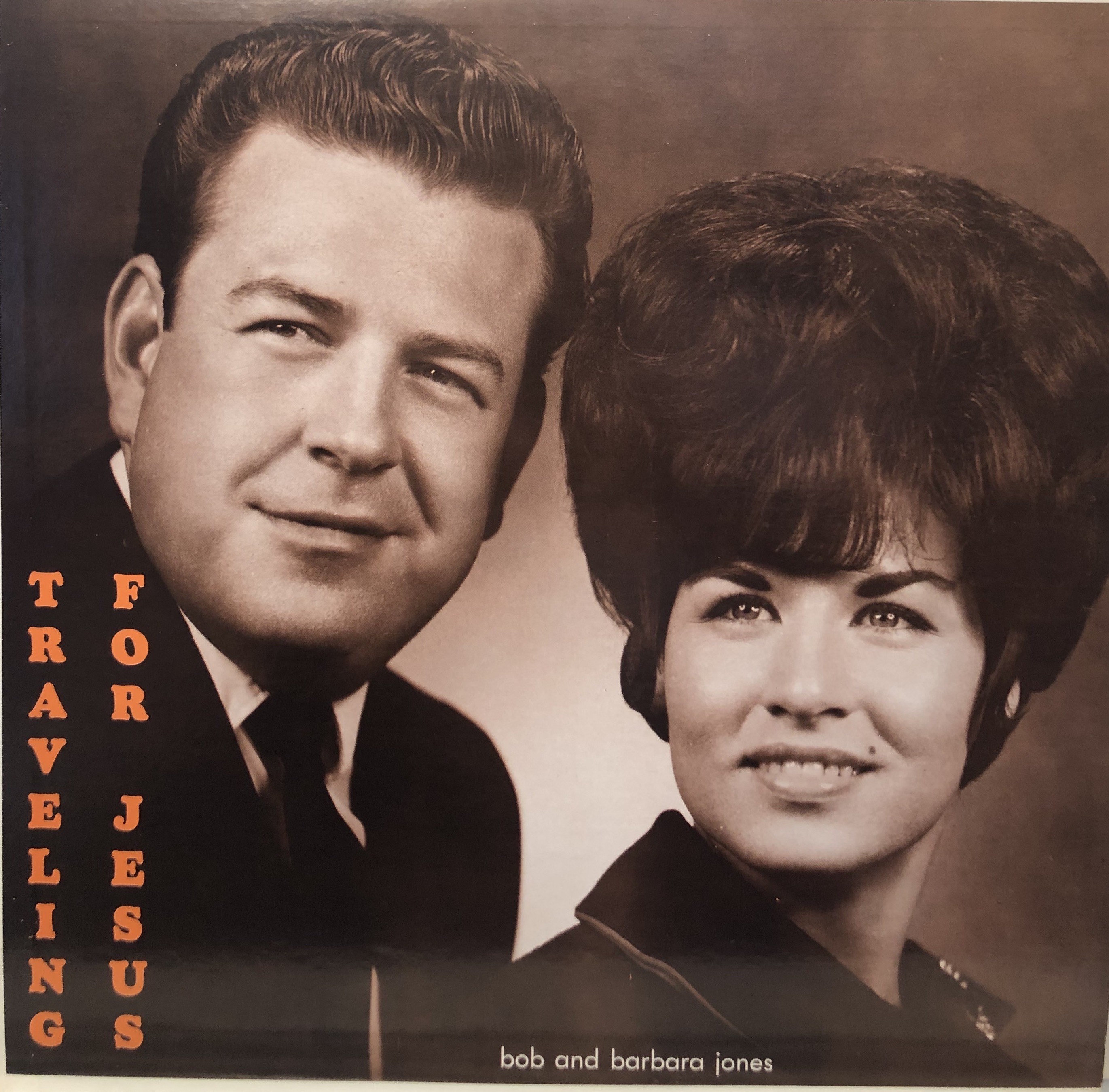
Bob and Barbara Jones (are) Traveling for Jesus Private Pressing out of Dallas, Tx.
(15 votes, average: 3.47 out of 5) Loading ...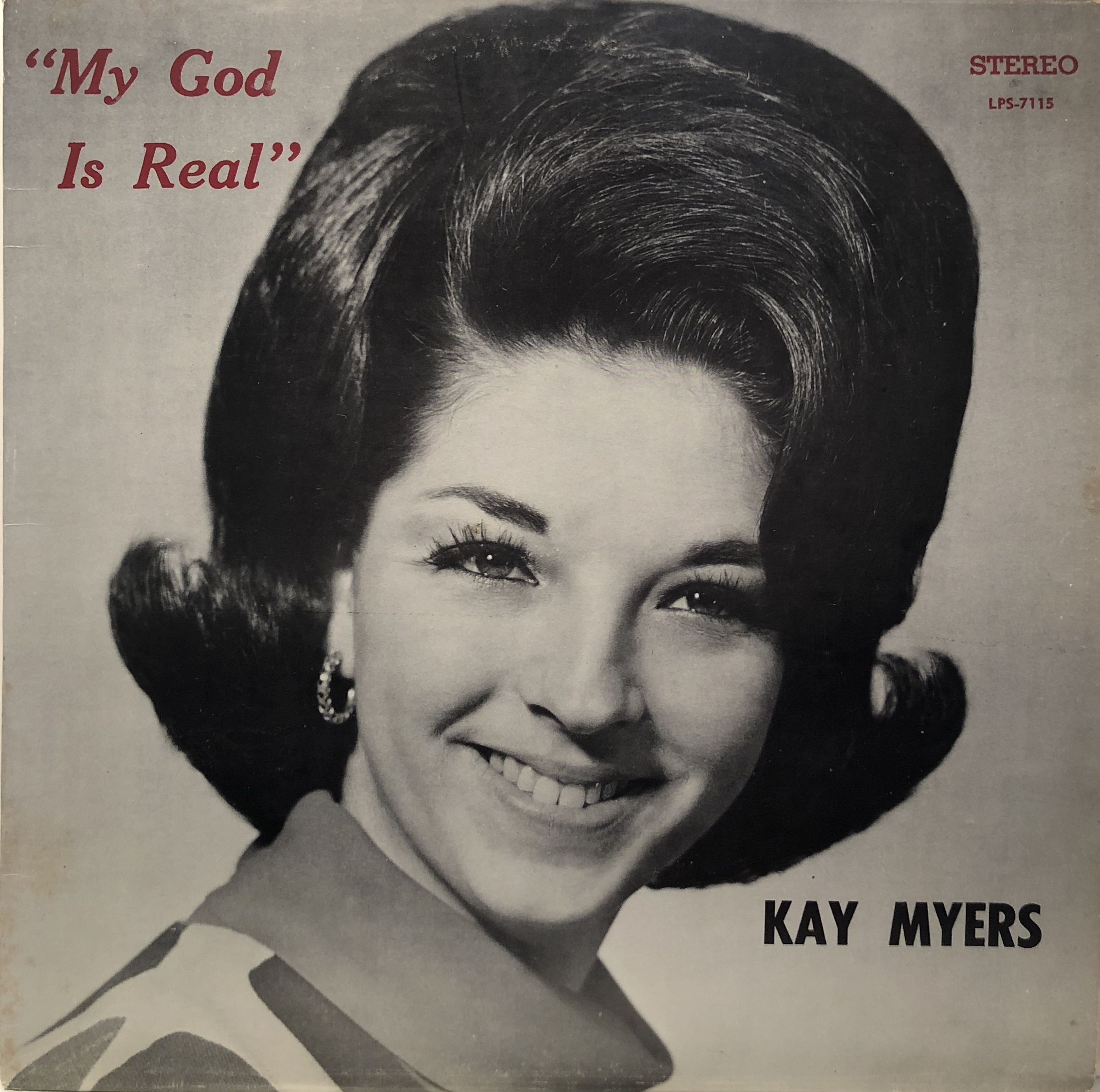
“My God Is Real” Kay Myers from Arlington, Texas.
(16 votes, average: 3.19 out of 5) Loading ...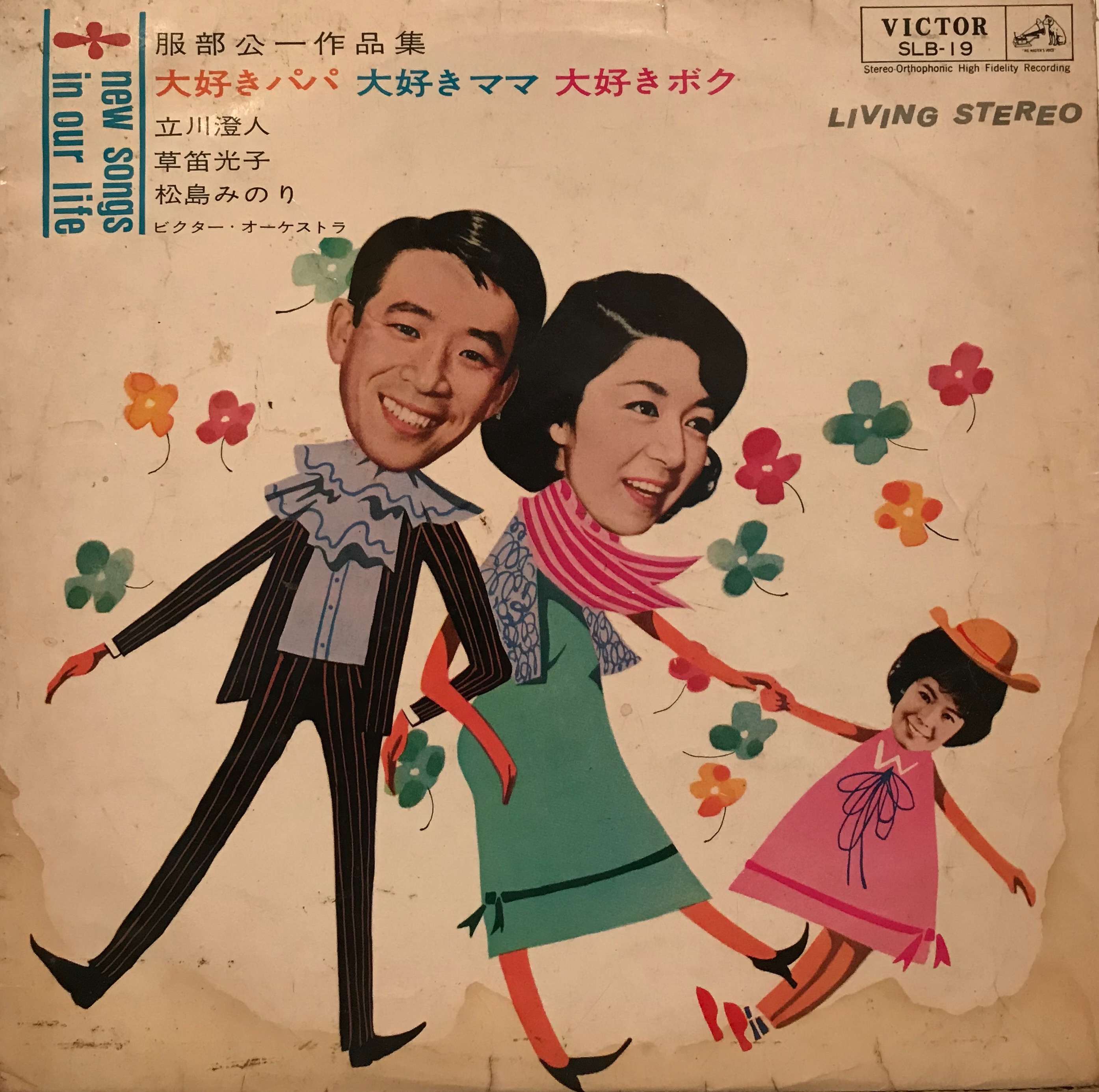
Vocal: Sumito Tachikawa (left) Vocal: Mitsuko Kusabue (center) Vocal: Minori Matsushima (right) With Victor Orchestra “New Songs in Our Life” Records Japan (1964)
(25 votes, average: 3.64 out of 5) Loading ...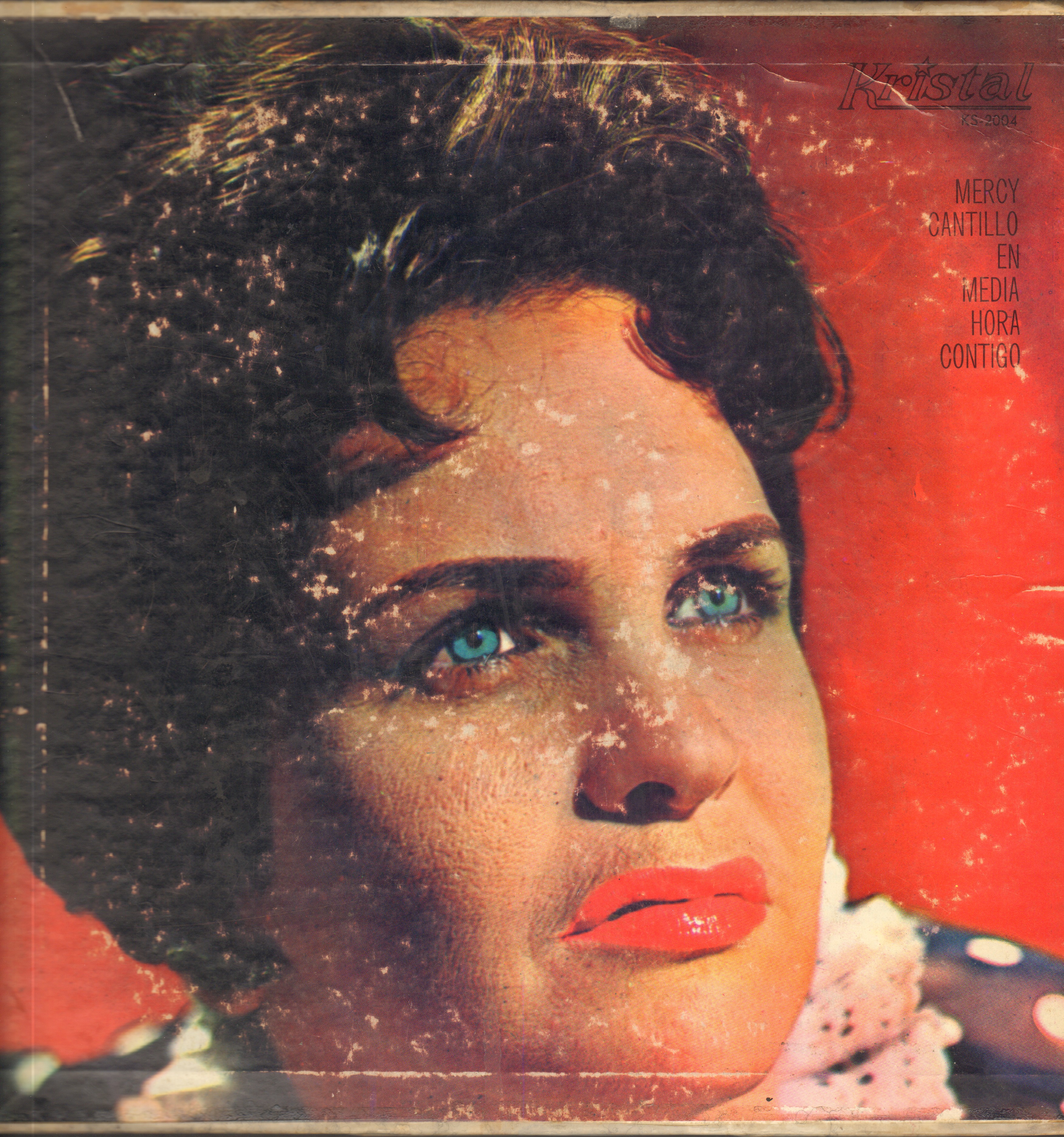
Two of our favorite categories here: “Big Heads” and “The Big Hurt” … Mercy Cantillo Kristal Records
(20 votes, average: 3.25 out of 5) Loading ...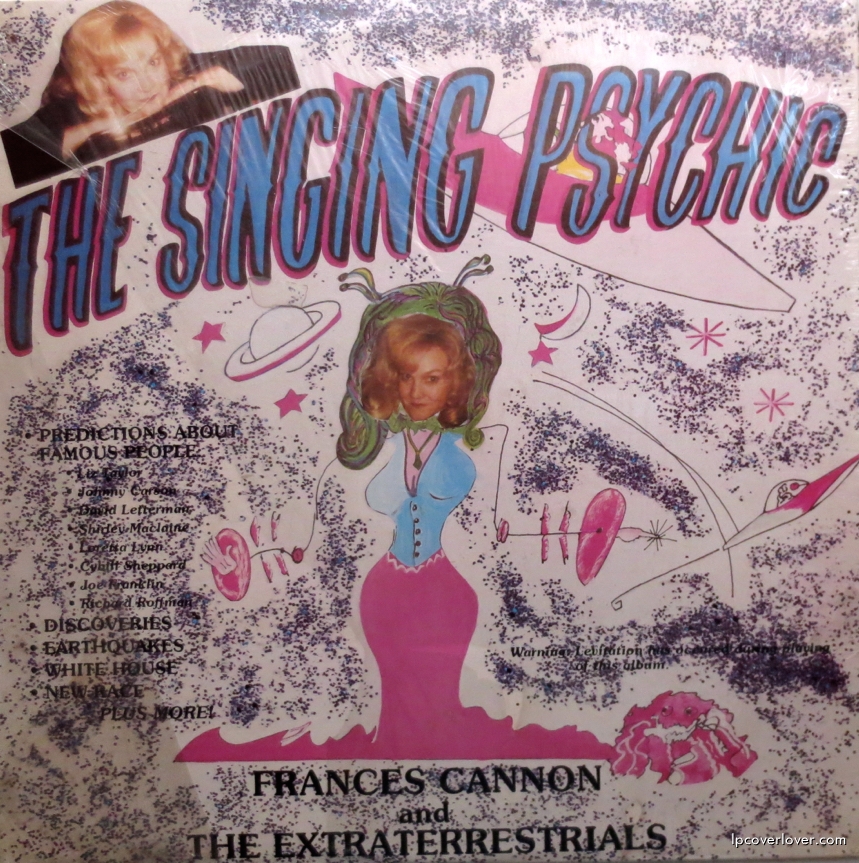
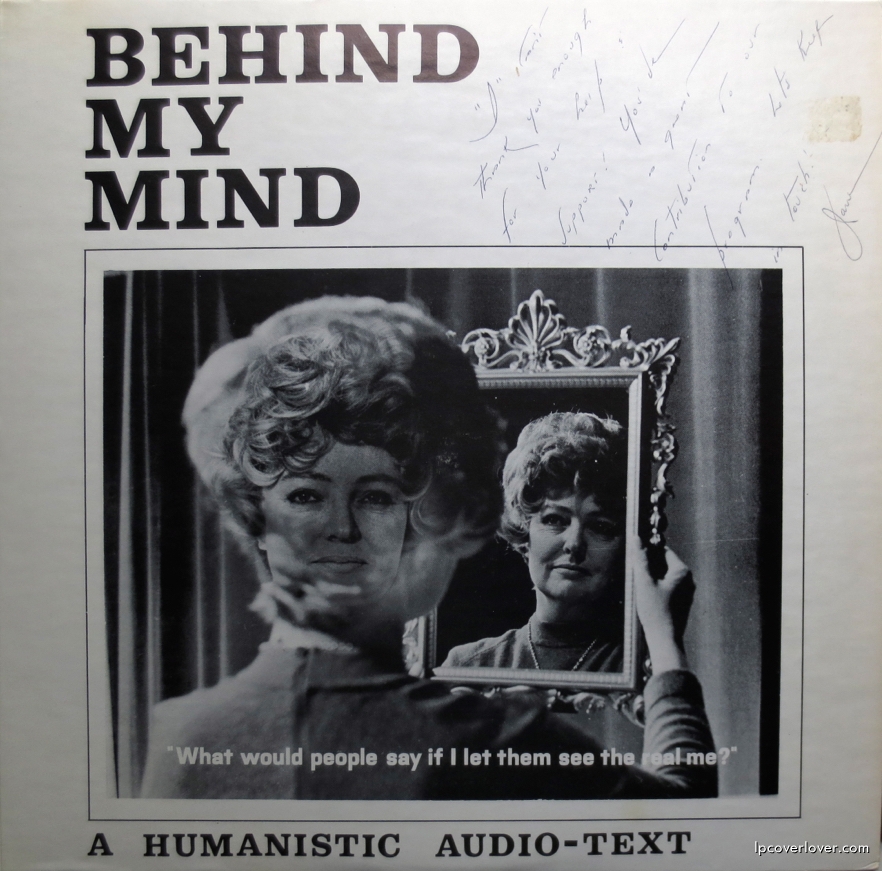
Top: The Singing Psychic Frances Cannon and The Extraterrestrials Bottom: “Behind My Mind” A Humanistic Audio-Text! “What would people say if they could see the real me?” Yikes! Two crazy oddball records from some far out chicks! Both up for sale on eBay this weekend along with 100 other cool, collectible records from the LP Cover Lover archives. Auction starts THIS Sunday, May 24th at 9PM. Search for seller innerears
(28 votes, average: 3.29 out of 5) Loading ...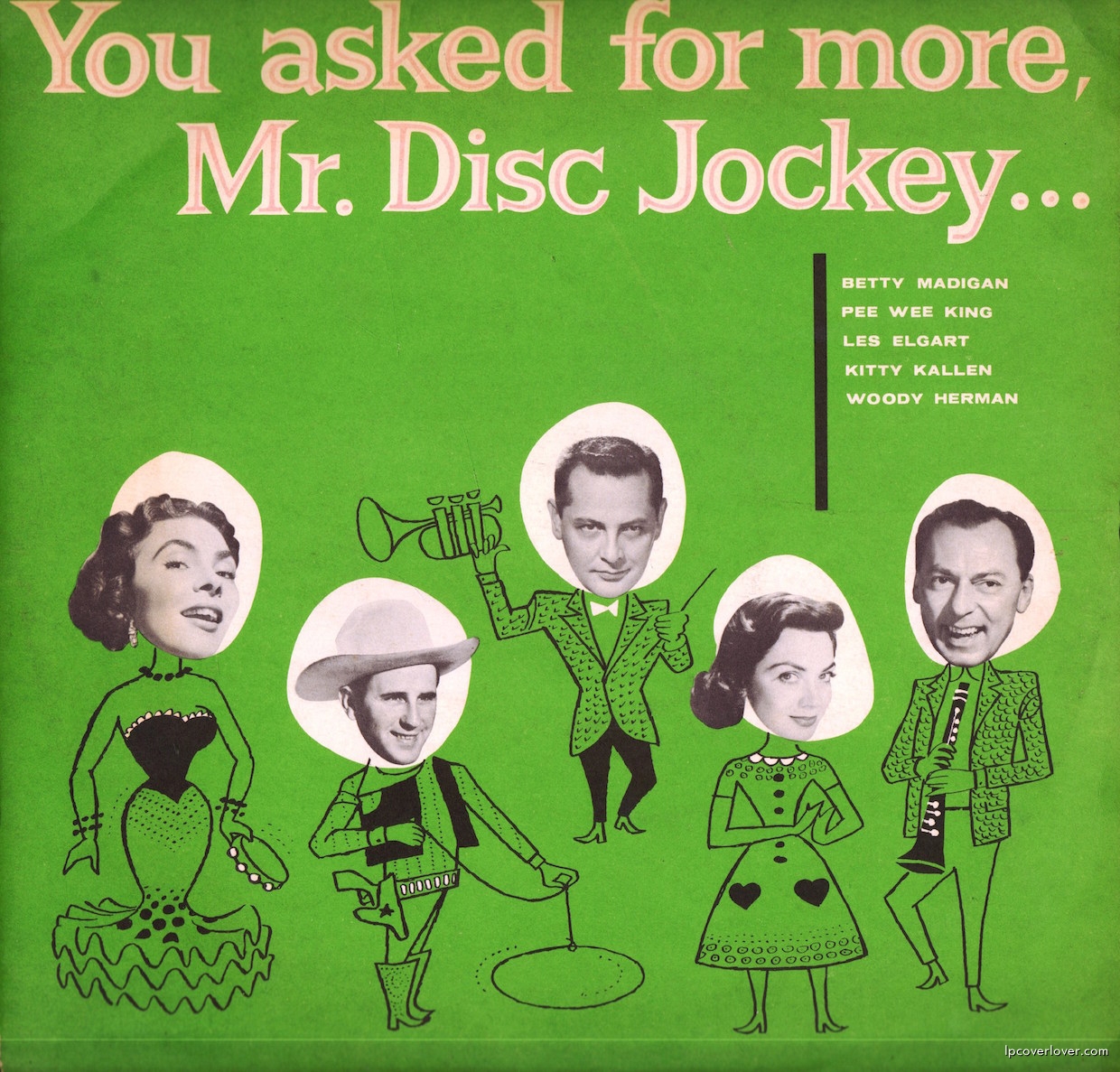
“You asked for more, Mr. DJ …” Recorded in 1955 featuring contemporary pop stars of the day each singing the National Guard jingle, “You’re in Style” (as in you’re in style, when you help your country’s defense forces) “Every time you play this … platter you help KEEP YOUR GUARD UP”
(25 votes, average: 3.08 out of 5) Loading ...