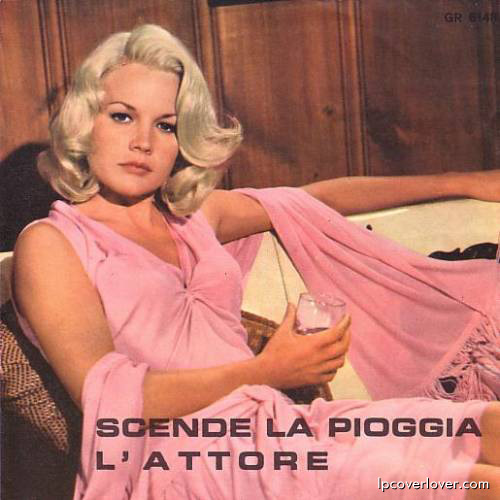
Carol Baker 1969

 (34 votes, average: 4.50 out of 5)
 Loading ...
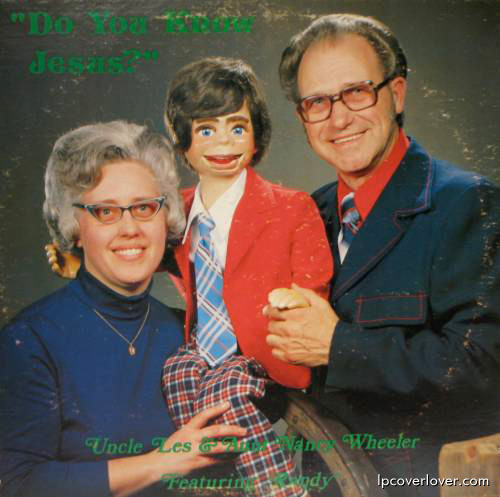
Uncle Les & Nancy Wheeler Featuring Randy ask “Do You Know Jesus?”
 (35 votes, average: 3.77 out of 5) Loading ...
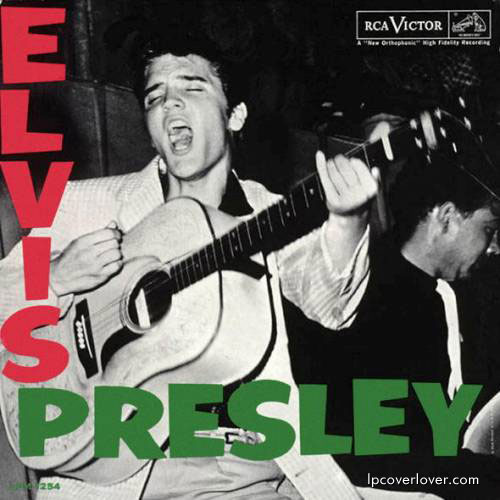
Personnel: Elvis Presley (vocals, guitar); Chet Atkins, Scotty Moore (guitar); Floyd Cramer, Marvin Hughes, Shorty Long (piano); Bill Black (double bass); DJ Fontana, Johnny Bernero (drums); Ben Speer, Gordon Stoker, Brock Speer (background vocals).
When Elvis first broke on the national scene, nobody–not RCA, not Elvis’ manager Colonel Tom Parker, and certainly not Elvis himself–had any idea how long his popularity would last. Most assumed that rock and roll was a passing fad and that Presley would soon be relegated to the “where are they now?” bin. Unsurprisingly, RCA rushed Presley’s first album to market before Elvis had recorded enough new material for an entire record. The result, ELVIS PRESLEY, is a cut-and-paste job consisting of seven RCA recordings and five older tracks licensed from Sun Records, Presley’s first label.
Still, this is a monumental record in the history of rock and roll, from its iconic cover (which The Clash later paid homage to on the cover of LONDON CALLING) to the twelve great tracks to its unprecedented sales figures (it topped the Billboard album charts for 20 weeks). The RCA material includes Elvis’ arrangement of “Blue Suede Shoes” and covers of R&B hits “Money Honey,” “Tutti Frutti,” and “I Got a Woman.” The record is short (29 minutes) and the material it contains is available on lots of other discs, but if you must have the record that started a revolution, this is the one to get.
(45 votes, average: 4.18 out of 5) Loading ...
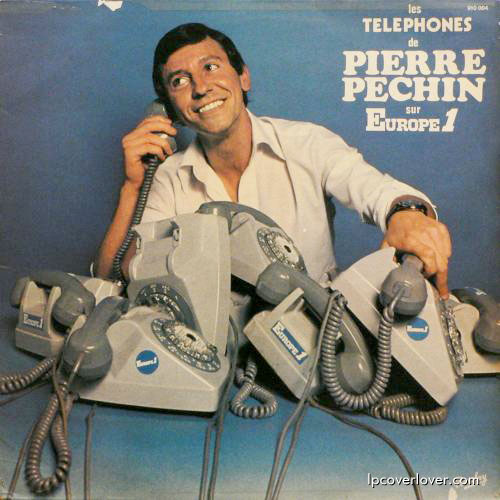
Les Telephones de Pierre Pechin. (Courtesy of Rockalain)
(15 votes, average: 3.47 out of 5) Loading ...
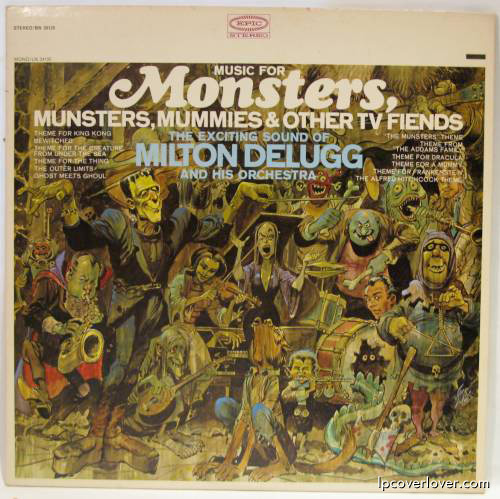
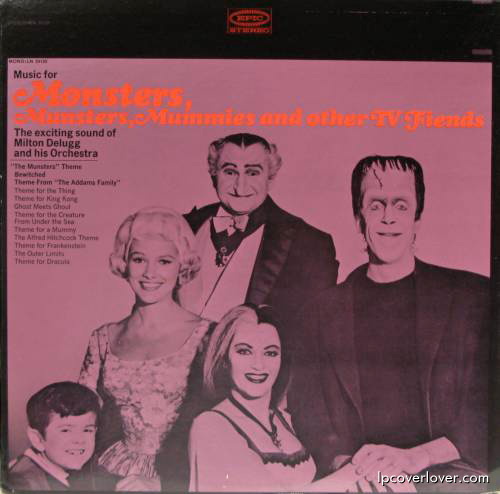
Two cover variations for the 1964 release of “Music for Monsters, Munsters, Mummies & Other TV Fiends” The Exciting Sound of Milton Delugg and his Orchestra. Cover illustration by Jack Davis top and the cast of “The Munters” bottom. Both on Epic.
Milton DeLugg is the composer of “Hooray for Santy Claus,” the catchy theme song for the low-budget motion picture Santa Claus Conquers the Martians. In 1958 he produced Buddy Holly’s famous record, “Rave On.” DeLugg enjoyed a long association with Chuck Barris, beginning as arranger of the original theme to The Newlywed Game in 1966. From 1976 to 1980 he was musical director of The Gong Show. DeLugg often appeared on the show as a comic foil, in the characters of bad joke teller Naso Literatus and philosopher Old Drool. DeLugg’s venerable “Hoop Dee Doo” became a fixture on The Gong Show and was used whenever the contest winner was chosen.
(28 votes, average: 3.79 out of 5) Loading ...