Welcome to the weird and wonderful world of record covers from the golden age of LPs


Subscribe to feed Follow us on Twitter Follow us on Tumblr

Author Archive

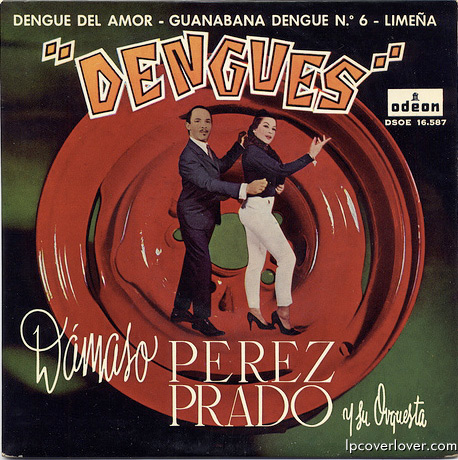
Denques fever

802445642_d1331ba834.jpg

This is one of a bunch of nice 45 singles that I found online at the flickr page of el estratografico  

1 Star2 Stars3 Stars4 Stars5 Stars (18 votes, average: 3.61 out of 5)
Loading ... Loading ...
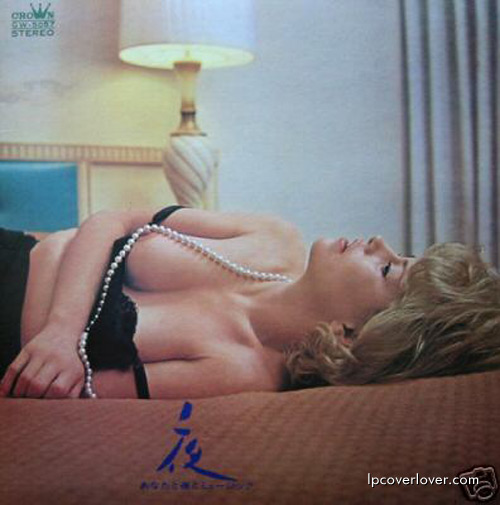
A string of pearls

bbec_1.JPG

1 Star2 Stars3 Stars4 Stars5 Stars (42 votes, average: 4.57 out of 5)
Loading ... Loading ...

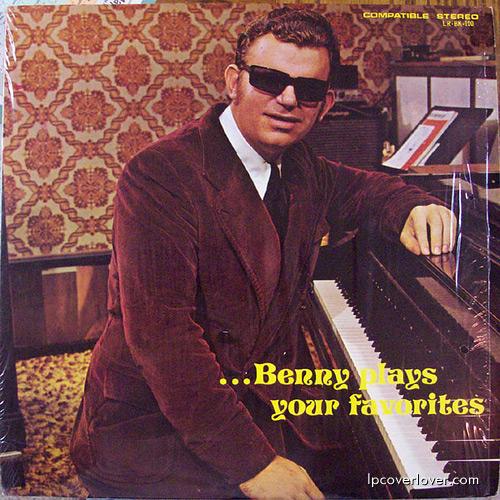
Ben up, Ben down

324505316_51bb98077c.jpg

1 Star2 Stars3 Stars4 Stars5 Stars (13 votes, average: 2.77 out of 5)
Loading ... Loading ...

In dreams

39773978_b52a82a60b.jpg

1 Star2 Stars3 Stars4 Stars5 Stars (14 votes, average: 4.64 out of 5)
Loading ... Loading ...

Bungle in the Jungle

763548271_2c2558eaf9_o.jpg

1 Star2 Stars3 Stars4 Stars5 Stars (24 votes, average: 4.21 out of 5)
Loading ... Loading ...

Big shot

25774500_5c0d8e9675.jpg

1 Star2 Stars3 Stars4 Stars5 Stars (34 votes, average: 3.62 out of 5)
Loading ... Loading ...

Melle-ifluous

00bd_3.JPG


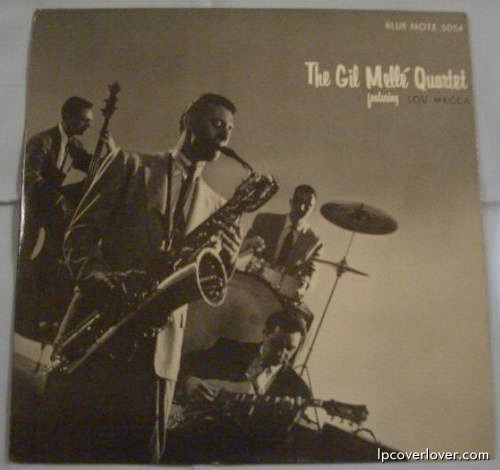
Baritone saxophonist Gil Melle was one of the most fascinating and under-appreciated figures in post-bop jazz. A prodigy as both a musician and painter, he was a pioneer of jazz/classical fusion and electronic music. Melle was born in New York City on December 31, 1931. In 1950, at nineteen, Melle became the first white musician signed to Blue Note, and also designed several album covers for records by Miles Davis, Thelonious Monk and Sonny Rollins as well as several of his own records. He also introduced Alfred Lion to his friend, recording engineer Rudy Van Gelder, whose methods became an essential element in the Blue Note sound.From the get-go Melle’s music was well advanced beyond modern jazz of the time, reflecting early developments in the classical/jazz fusion he later dubbed “Primitive Modern”.He made several 10″ (including this one) for Blue Note and Prestige in the early 50’s before recording his first lp for Blue Note “Patterns in Jazz in 1956. Patterns in Jazz was one of the label’s most modernistic releases for years to come. Later that year he signed to Prestige, for whom he recorded three albums in one year before leaving the jazz scene in favor of studio work.

In the early 1960s Melle began working as a film and television composer in Los Angeles, writing music for Rod Serling’s “Night Gallery”, “The Andromeda Strain”, and over 125 other movies and TV shows along with more standard orchestral works. Many of his scores were entirely electronic, completely innovative at the time. Melle also pioneered many developments in electronic music, including early analog synthesizers and drum machines. His band The Electronauts was the first all-electronic ensemble to perform at Monterey. Melle only recorded sporadically from the late 1960s until his death, preferring in the end to concentrate on painting and digital art.

1 Star2 Stars3 Stars4 Stars5 Stars (21 votes, average: 4.43 out of 5)
Loading ... Loading ...
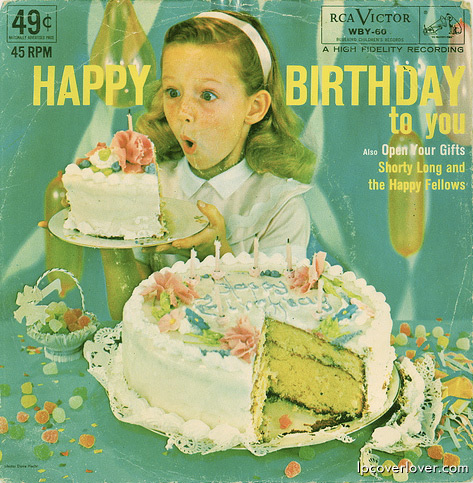
Birthday girl

161093503_4856780b36.jpg

1 Star2 Stars3 Stars4 Stars5 Stars (19 votes, average: 4.26 out of 5)
Loading ... Loading ...

Burning in Paris

419e_3.JPG

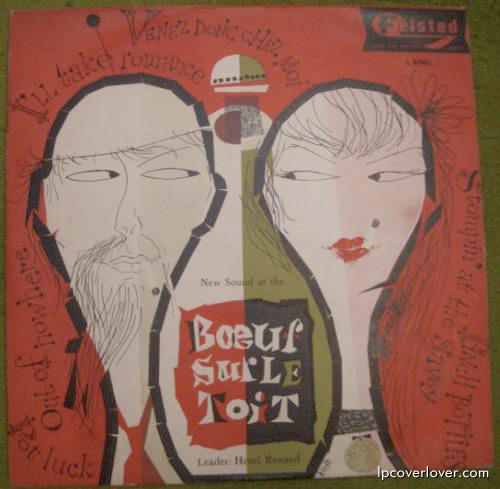
LIVE IN EDDIE BARCLAY’S “BOEUF SUR LE TOIT” CLUB IN PARIS. U.K. FELSTED LP

Nat Peck trombone, Jean Liesse trumpet, Sandy Mosse/Philippe Benson/J.L Chautemps/Andrà © Rosse saxophones, Fats Sadi vibes, Henri Renaud piano, Jimmy Gourley guitar, Benoit Quersin bass, P. Lemarchand dr (One track: Bernard Peiffer piano, Jean-Louis Viale dr)

1 Star2 Stars3 Stars4 Stars5 Stars (14 votes, average: 3.71 out of 5)
Loading ... Loading ...
Cinco de bongo

kuk170.jpg

1 Star2 Stars3 Stars4 Stars5 Stars (12 votes, average: 3.25 out of 5)
Loading ... Loading ...