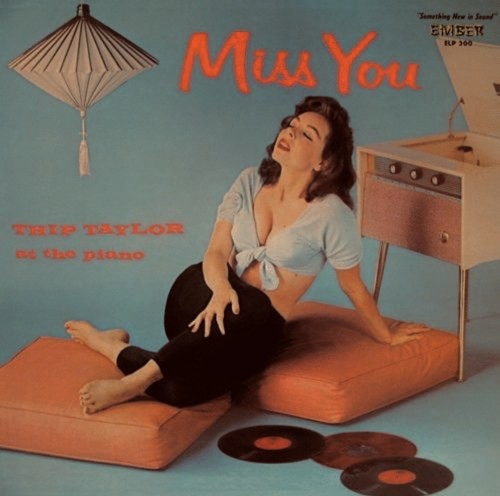
“Please baby, please, baby baby please!”
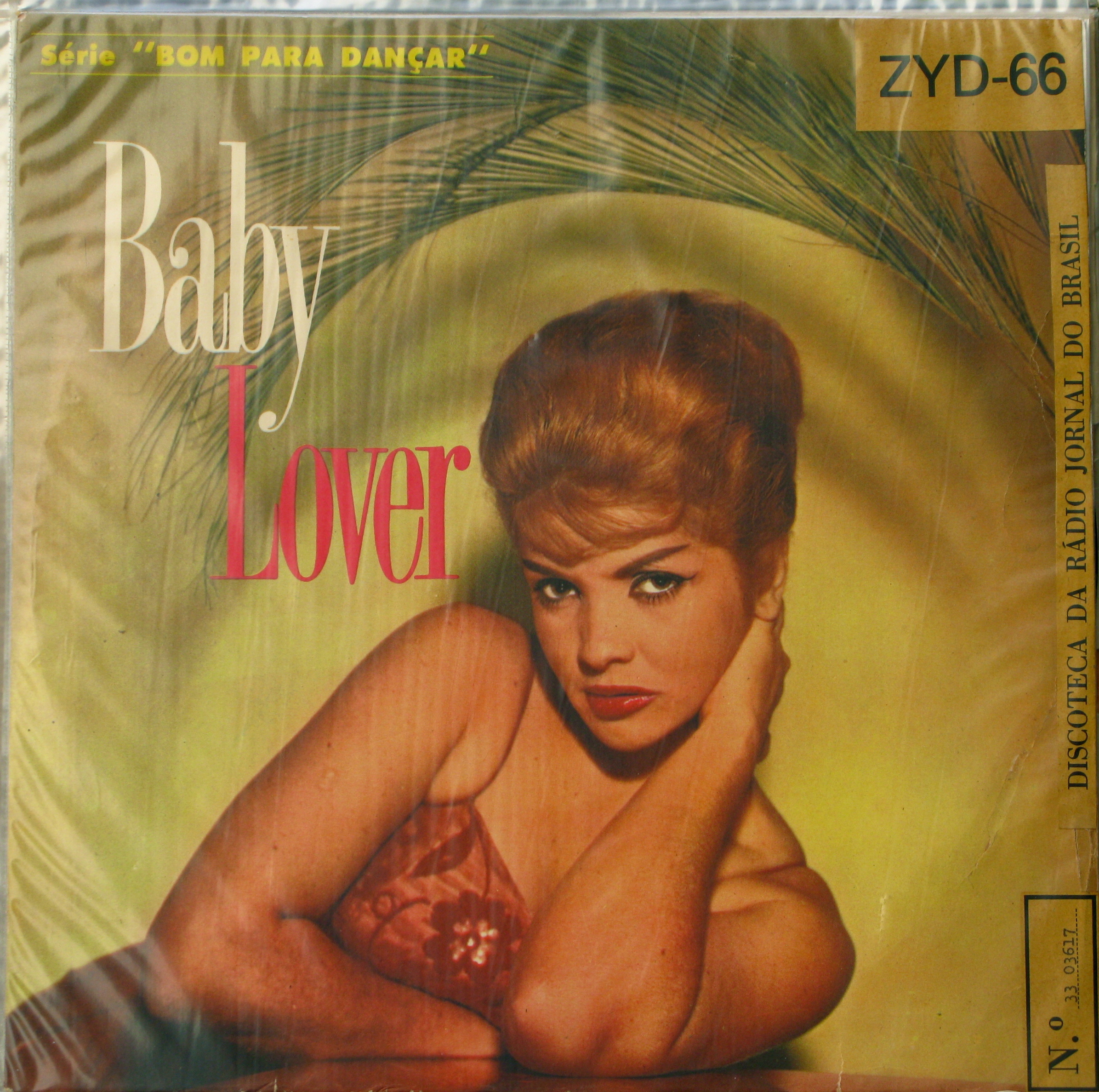
“Baby Lover” (Brazil)


 (57 votes, average: 3.84 out of 5)
 Loading ...
“Baby Lover” (Brazil)
(57 votes, average: 3.84 out of 5) Loading ...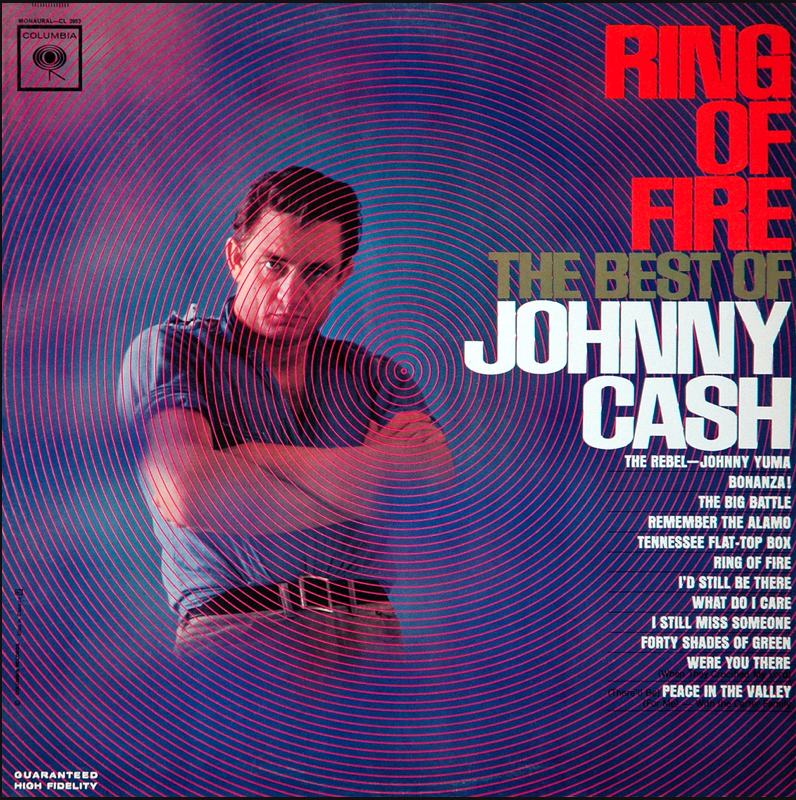
“Ring of Fire” The Best of Johnny Cash Columbia Records (1963) A collection of the big man’s Columbia singles released between 1959 and 1963. Here’s the first LP release of “Ring of Fire,” one of Cash’s most famous tracks and the first #1 album when Billboard debuted their Country Album Chart on Jan. 11, 1964. And the players: Luther Perkins, Jack Clement and Norman Blake on Guitar! Marshall Grant on Bass! Morri Palmer and W.S. Holland on Drums! Bill Pursell on Piano! Billy Lathum on Banjo! Karl Garvin and Bill McElhiney on Trumpet! And, Ms. Maybelle Carter on Autoharp!!
(64 votes, average: 4.19 out of 5) Loading ...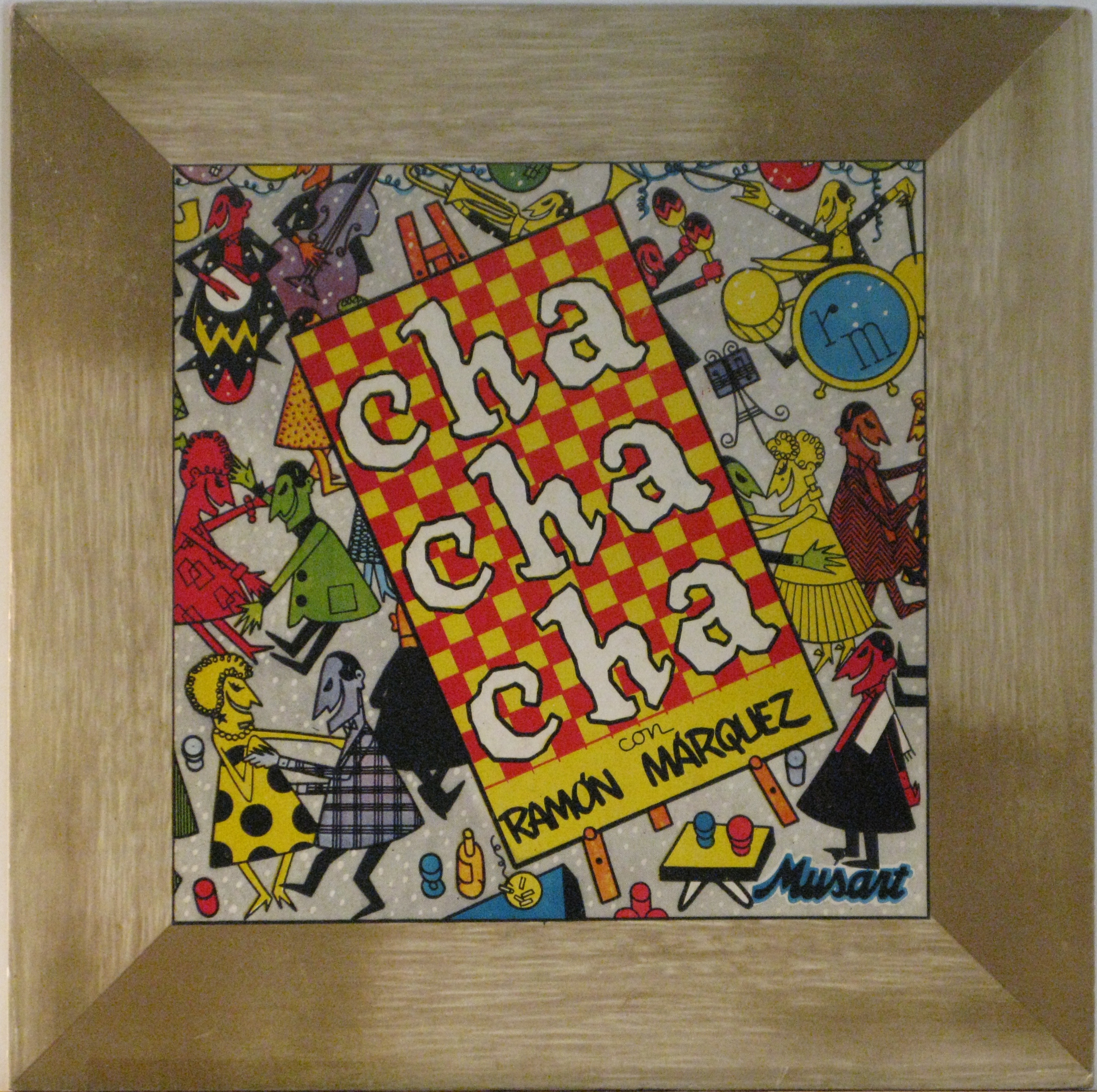
“Cha Cha Cha” Ramon Marquez Musart Records
(47 votes, average: 3.23 out of 5) Loading ...
“Come Ye Apart Awhile’ May Rowland, Director of Silent Unity (Unity School of Christianity, Lee’s Summit, Missouri)
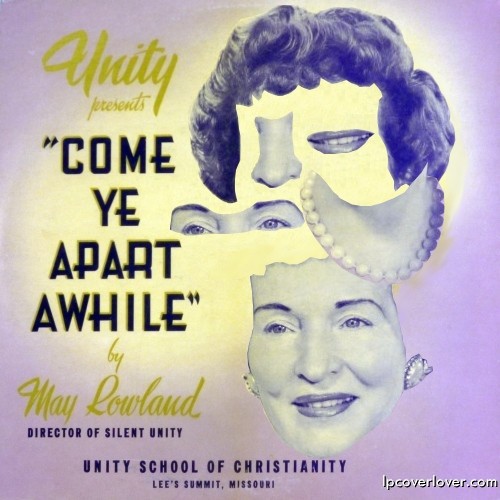
Thanks to LP cover lover Jon Jerome for contributing the above deconstruction!
(48 votes, average: 3.44 out of 5) Loading ...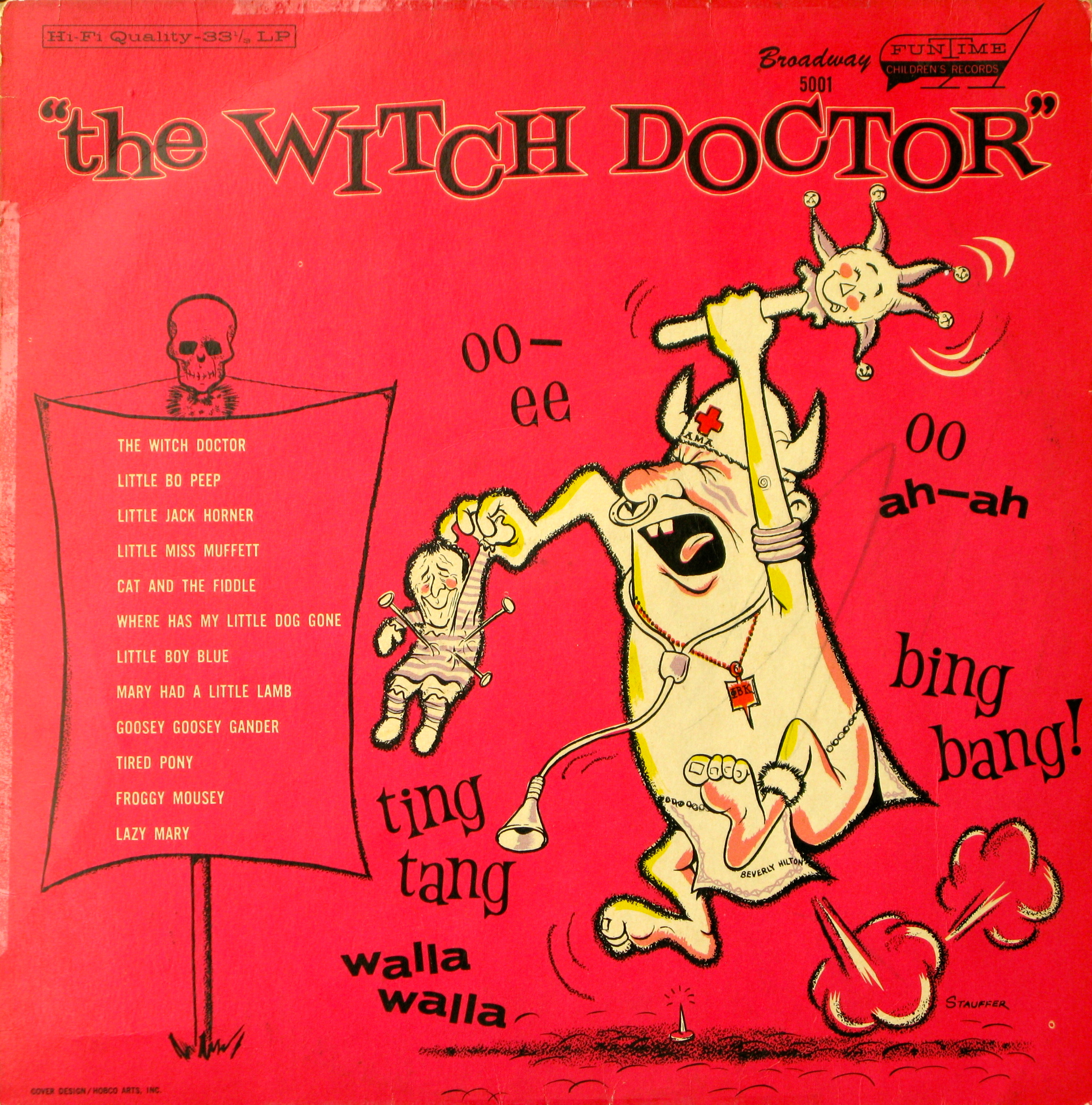
“The Witch Doctor” Broadway FunTime Records Here’s David Seville’s original (with the original “chipmunks”)
(38 votes, average: 2.97 out of 5) Loading ...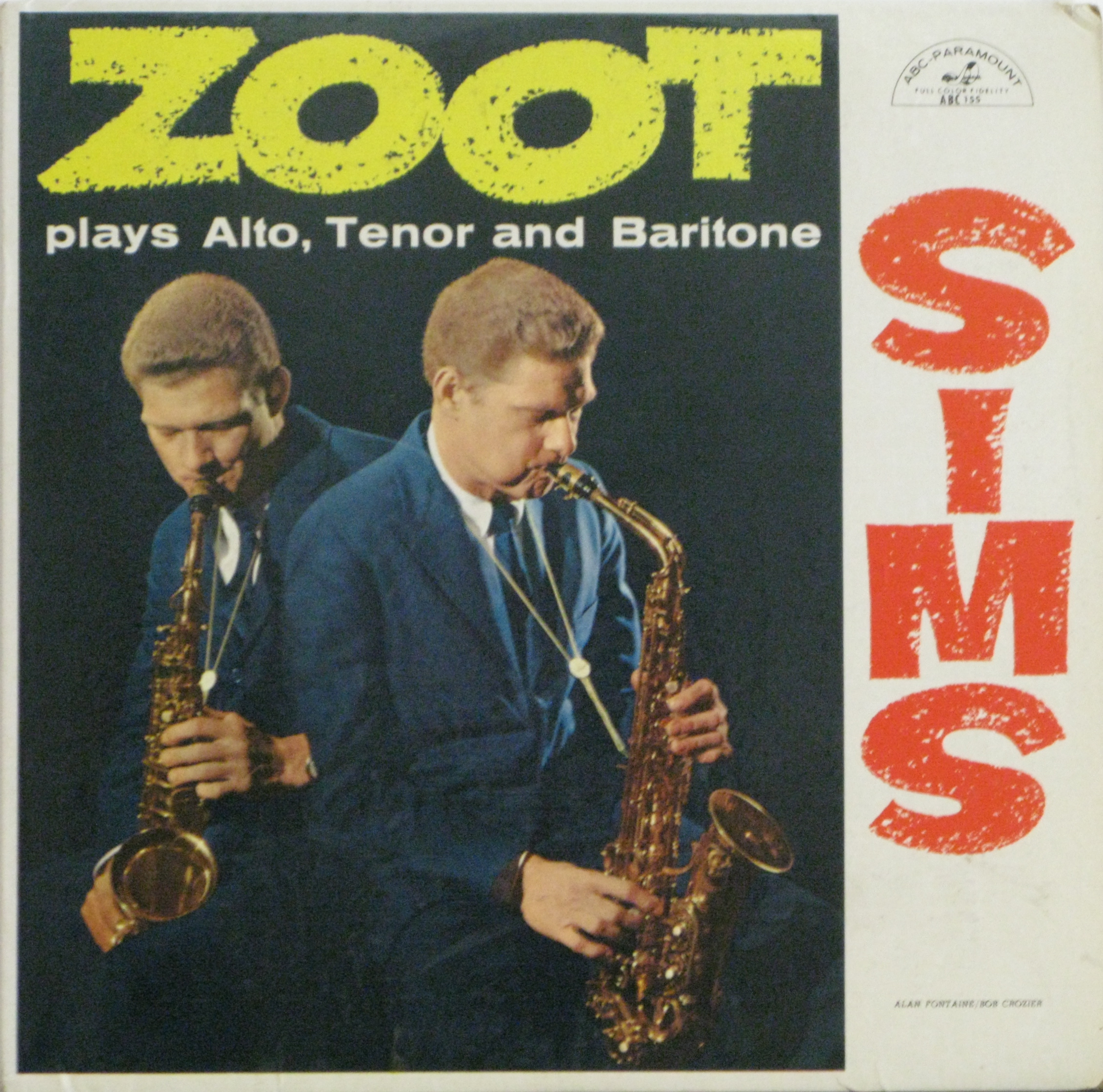
Zoot Sims plays Alto, Tenor and Baritone ABC-Paramount Records (1956) With John Williams (p), Knobby Totah (b), Gus Johnson (d) Music by George Handy. Bob Brookmeyer describes the power of Zoot’s playing: “Zoot plays earthy. He is direct, simple, logical, and above all, emotional”. Here Zoot blows alto, tenor and baritone saxophones in unison, opening and closing passages, and soloing individually on each horn. Dom Cerulli, in his highly enthusiastic review in Down beat, said: “Handy’s writing is as constantly alive and imaginative, as Zoot’s playing is forceful and swinging.”
I remember where I bought this LP as I surprisingly often do when pulling one down from the shelf. Funny that. This one came from the only used record store in Key West on a short trip I took there in 1986. It was on the wall next to a Sun Ra on Saturn that I also picked up that day. Then it was off to Duval street for a beer and Pepe’s for oysters. Sometimes a record can bring it all back.
(36 votes, average: 3.00 out of 5) Loading ...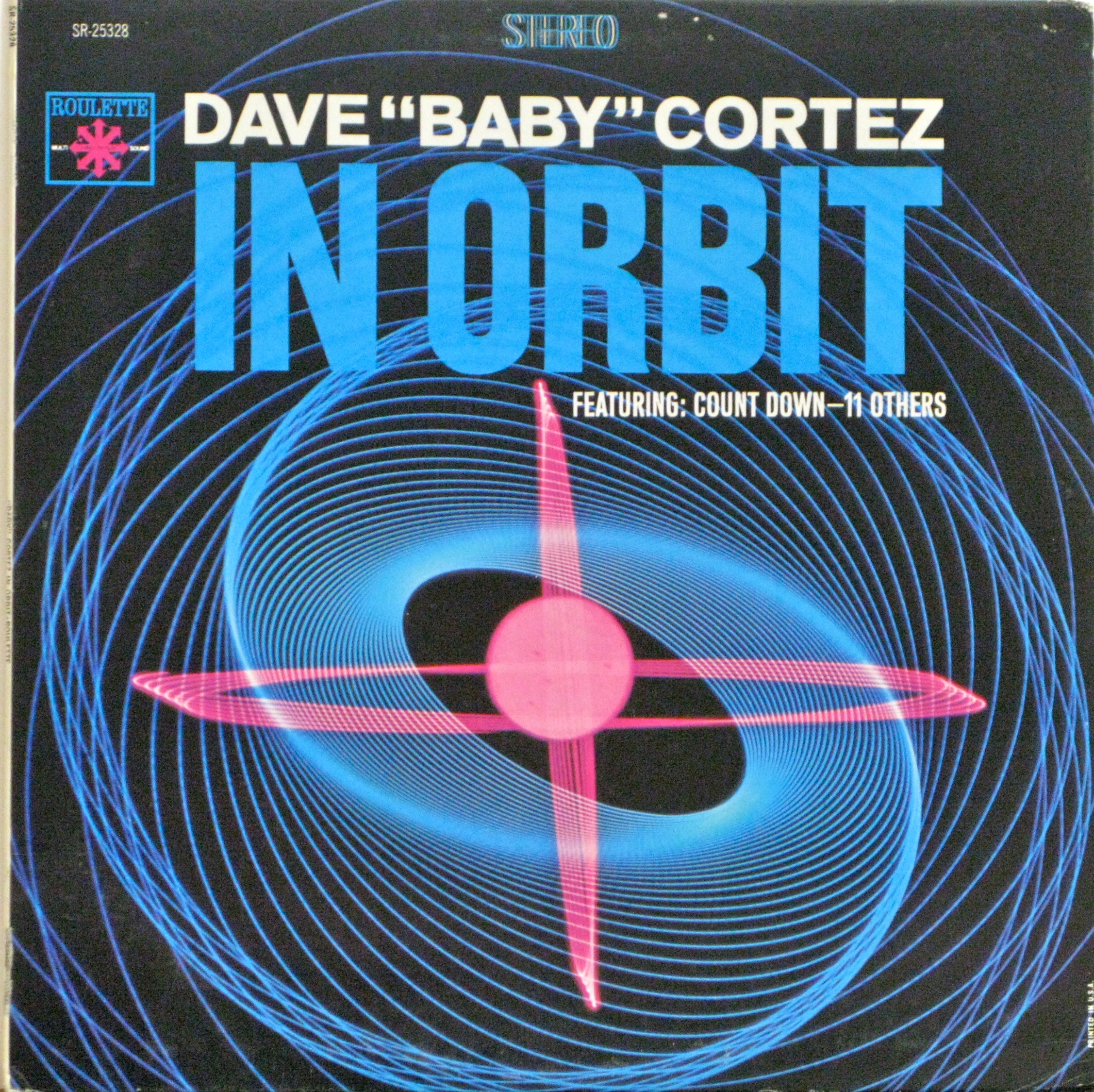
Organist Dave “Baby” Cortez “IN ORBIT” Roulette Records (1966) The third and final LP that Dave cut for Roulette Records following “Organ Shindig” (1965) and “Tweety Pie” (1965) Titles include “Belly Rub (parts 1 & 2)”, “In Orbit”, “Countdown (parts 1 & 2)”, “Sticks & Stones”, and “Peg Leg”.
(43 votes, average: 3.60 out of 5) Loading ...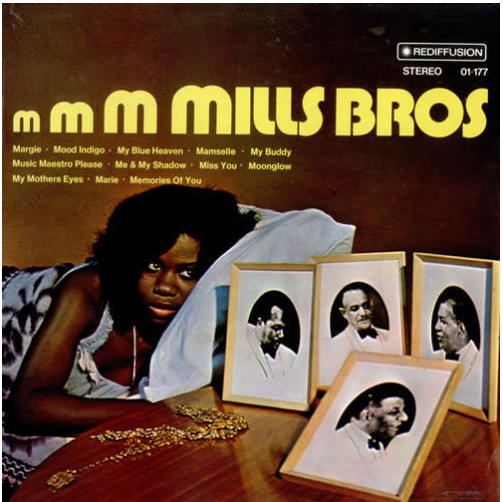
Here’s a 1974 UK reissure and alternate cover to the previously posted Dot Records Mills Brothers release “Mmmm” This one on Redefusion Records. And which brother left his bling on the night table?
(43 votes, average: 3.07 out of 5) Loading ...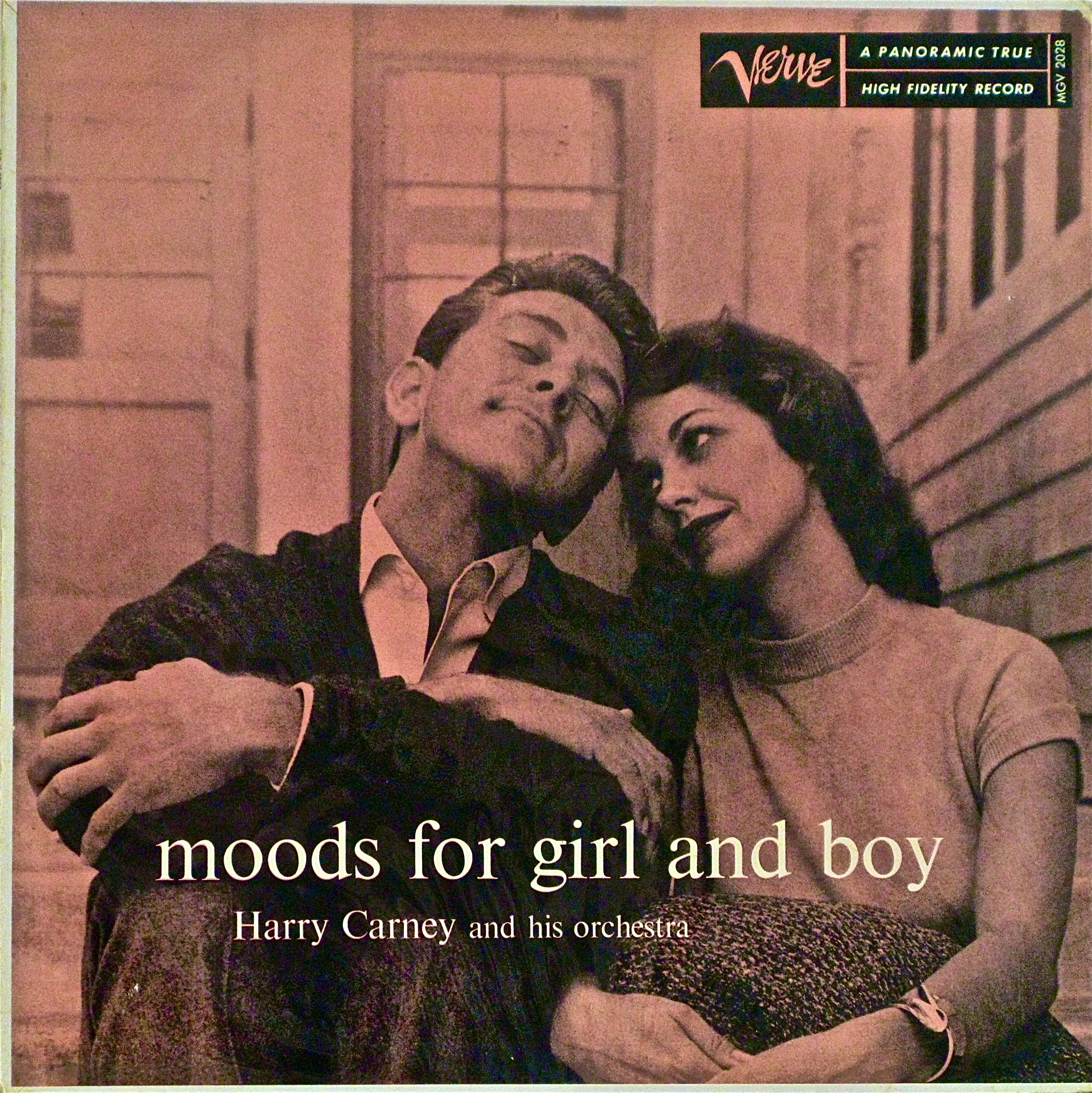
Harry Carney and his Orchestra “Moods For Girl and Boy” Verve Records (1956) Reissue of Clef MGC 640 entitled “Harry Carney With Strings” (1954) Ray Nance (tp, violin) Tony Miranda (frh) Jimmy Hamilton (cl, ts) Harry Carney (bars, bcl) Leroy Lovett (p) Billy Bauer (g) Wendell Marshall (b) Louis Bellson (d) unidentified strings
Harry Carney (1910 -1974) began his professional musical career at the age of 13, playing clarinet and later the alto and baritone saxophone in Boston bands. Among his childhood friends were Johnny Hodges and Charlie Holmes, with whom he visited New York in 1927. Carney played at the Savoy Ballroom with Fess Williams before joining Duke Ellington, who was about to play in the young musician’s home town. When this engagement was over Carney left for a tour with Ellington, who had taken on the role of guardian. The job with Ellington lasted until Duke’s death 47 years later. Shortly after joining Ellington, Carney was persuaded to play alto saxophone, but soon gravitated to the baritone, an instrument he proceeded to make his own. Carney’s rich sonority became an essential element in Ellington’s tonal palette and for decades listeners gloried in the full-throated lower register which, in a band brimming with individualists, had a character all its own.
Nevertheless, despite his virtuosity on the baritone, Carney would take up the clarinet on frequent occasions to show he was truly a master of the reed instruments. Carney’s relationship with Ellington transcended that of musician and leader; he was Ellington’s confidante and for decades he drove the Duke from gig to gig. The closeness of their relationship was underlined by Carney when he said: ‘It’s not only been an education being with him, but also a great pleasure. At times I’ve been ashamed to take the money.’ After Ellington’s death, at the end of May 1974, Carney said, ‘Without Duke I have nothing to live for.’ He died a little over four months later. – Verve Records Bio
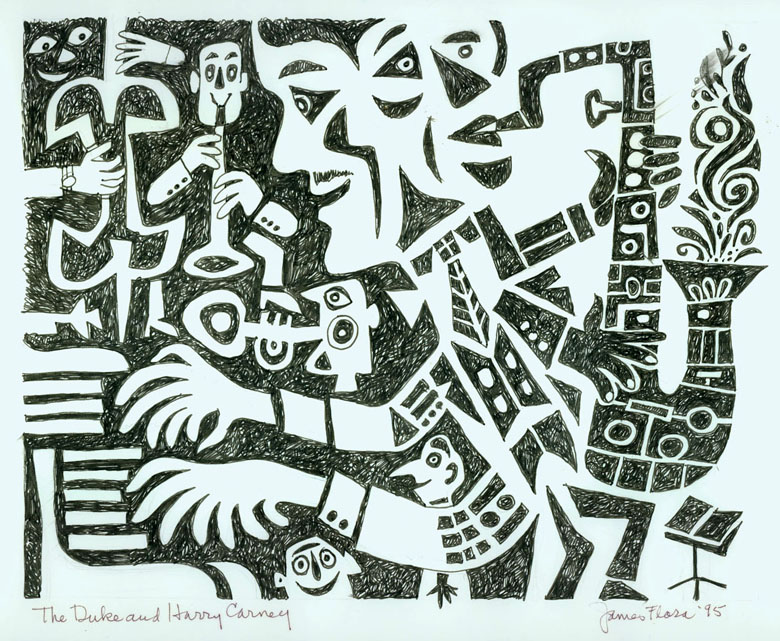
Here’s a Jim Flora drawing from 1995 of The Duke and Harry Carney:
(42 votes, average: 3.45 out of 5) Loading ...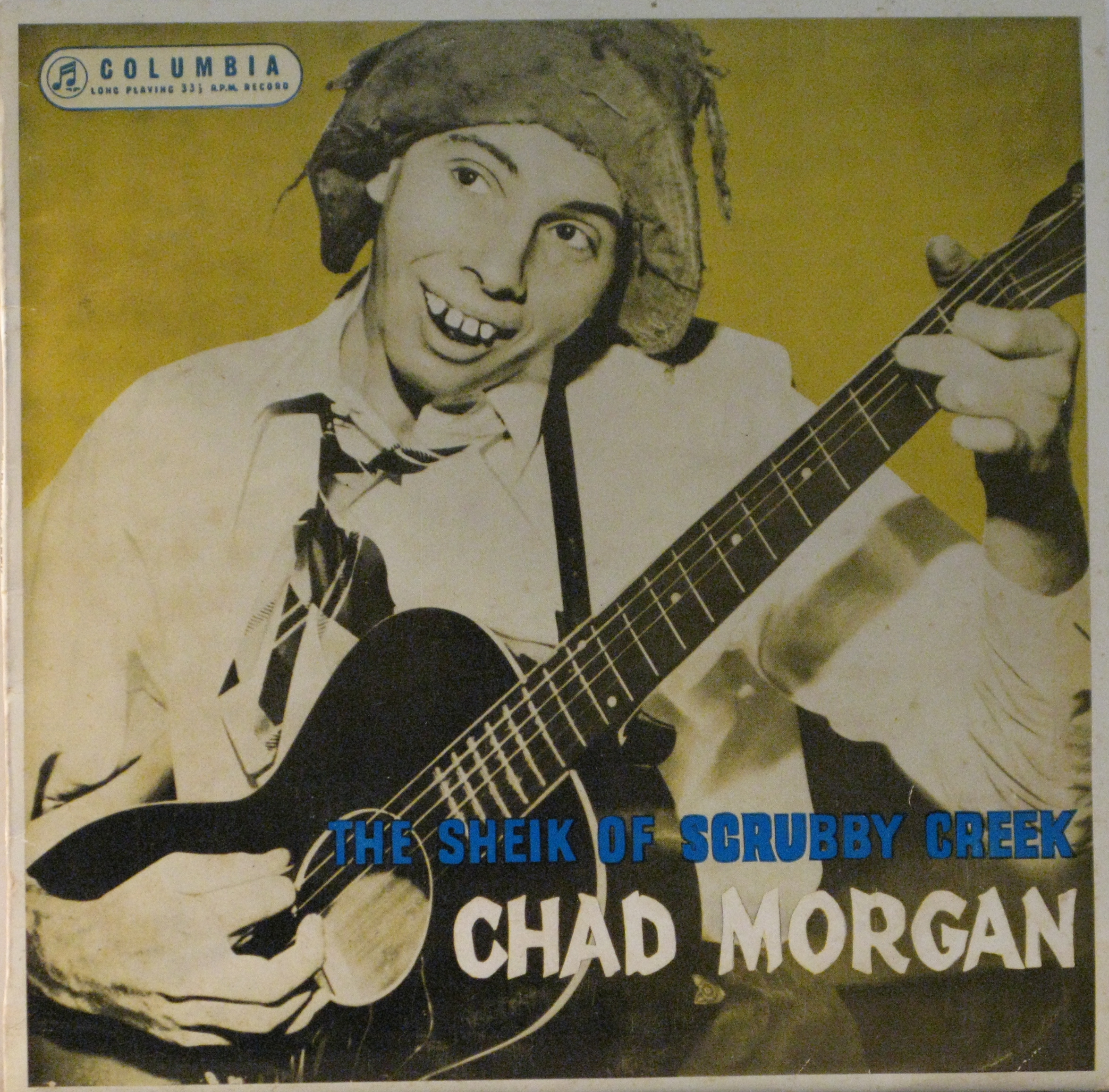
“The Sheik of Scrubby Creek” Chad Morgan Columbia Records (Australia)
(47 votes, average: 3.53 out of 5) Loading ...